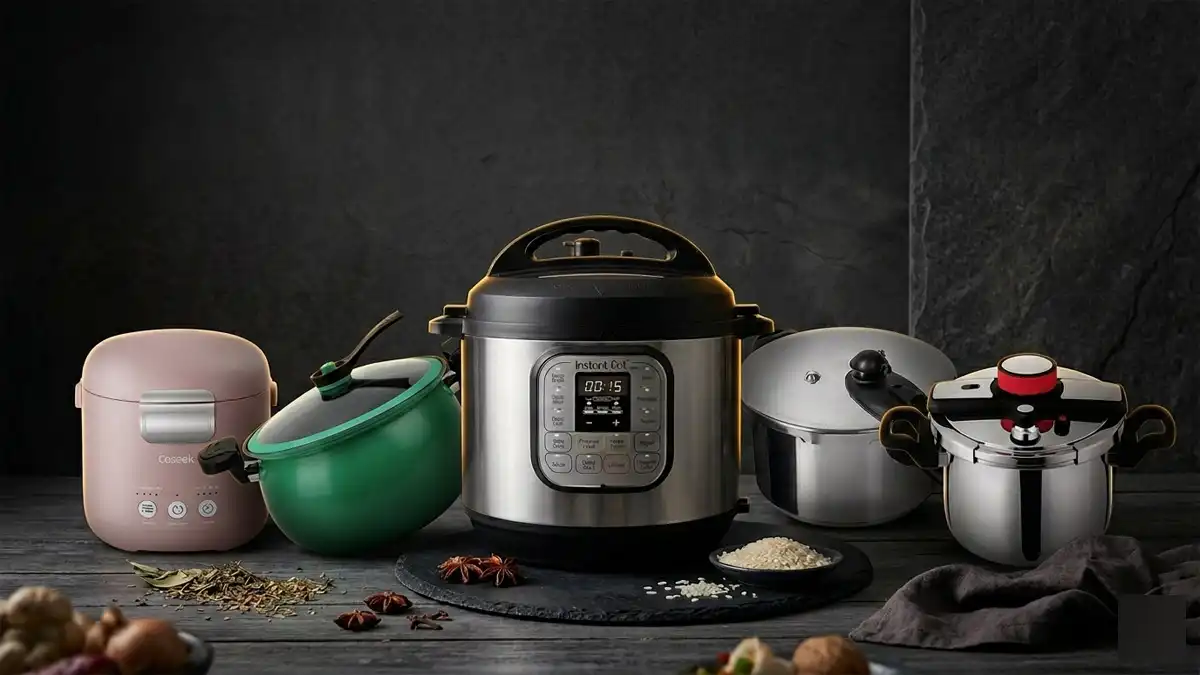
Pressure cookers might look like a simple kitchen tool, but once you step outside your own country, you’ll notice something interesting—they’re not all the same. The name stays the same, but the design, behavior, and even cooking experience can feel completely different.
Why? Because pressure cookers evolve around how people cook, what they cook, and how often they use them. In some places, they’re a daily essential. In others, they’re just another appliance sitting on the counter.
This becomes even more noticeable when you move to a new country—whether as a student or with your family. You may not find the exact same pressure cooker you’re used to, and the way it works can feel unfamiliar at first.
Let’s break this down properly—first by understanding the core types, and then how different regions shape them, so you know what to expect and how to use it safely.
The 3 Main Types (Anywhere You Go)
1. Stovetop Pressure Cookers
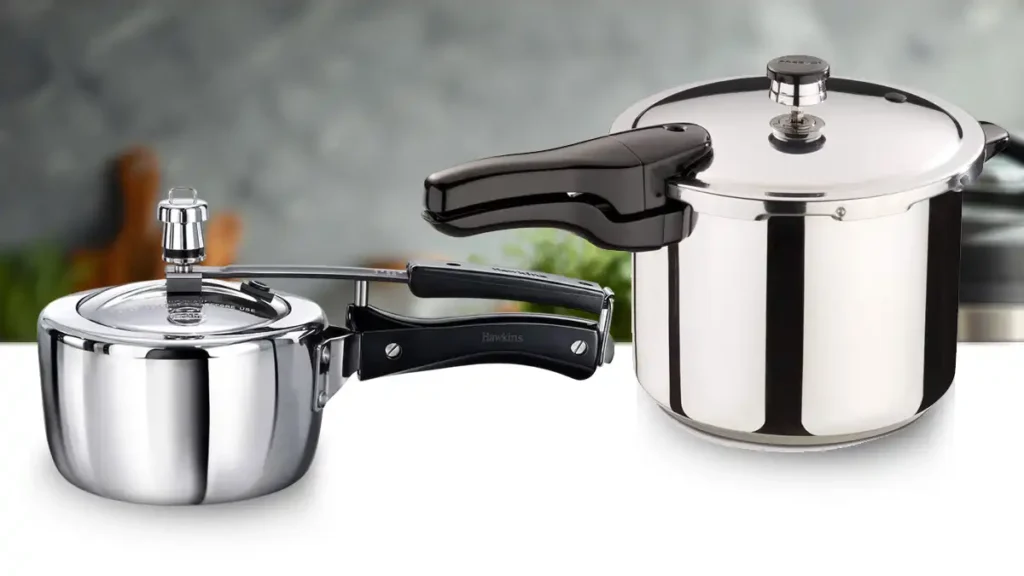
The classic. Heat from below, manual control.
✅ Faster cooking
✅ You’re in charge
✅ Lasts for years
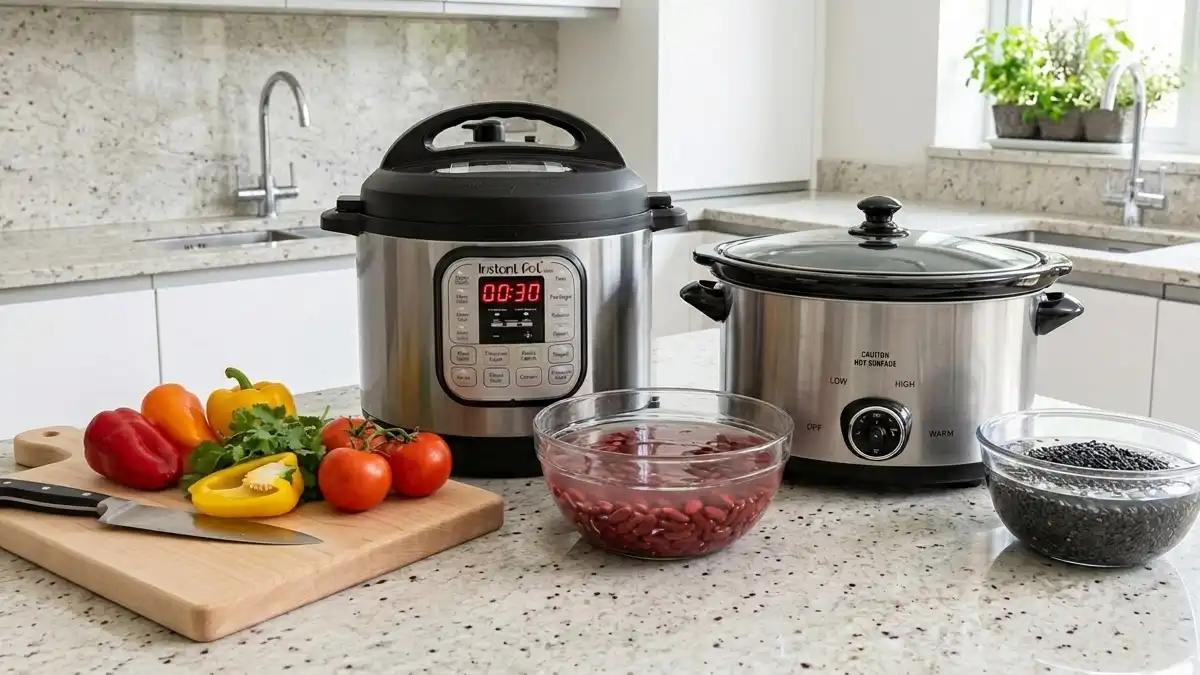
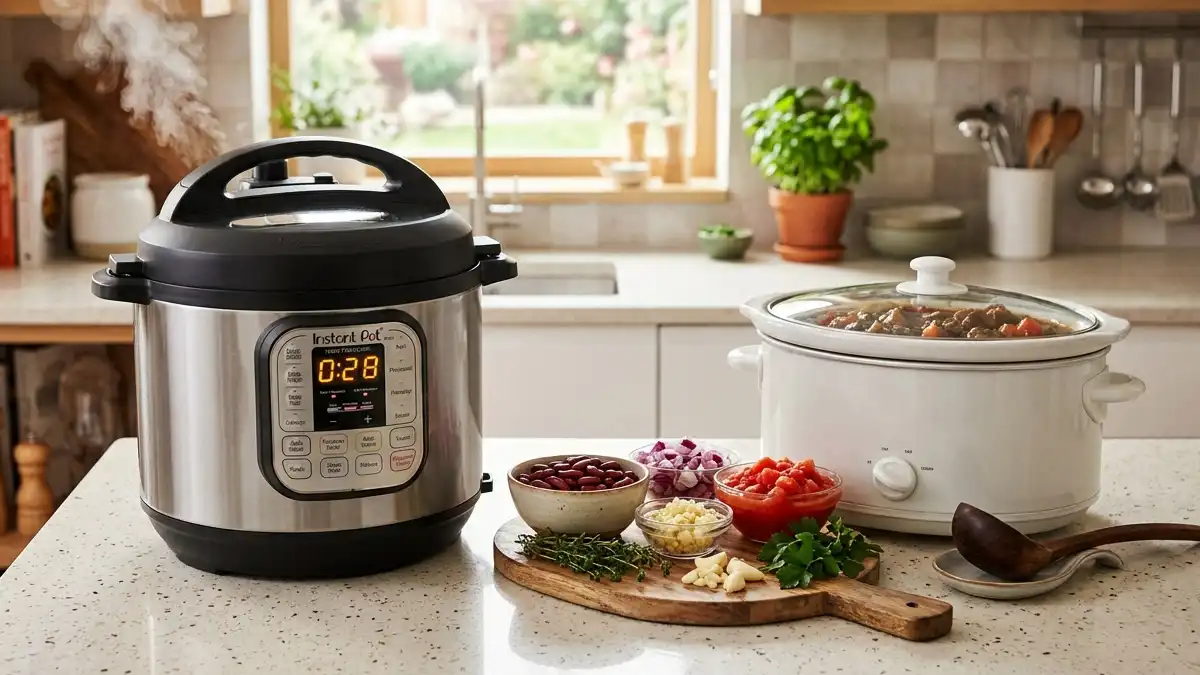
2. Electric & Multi-Cookers
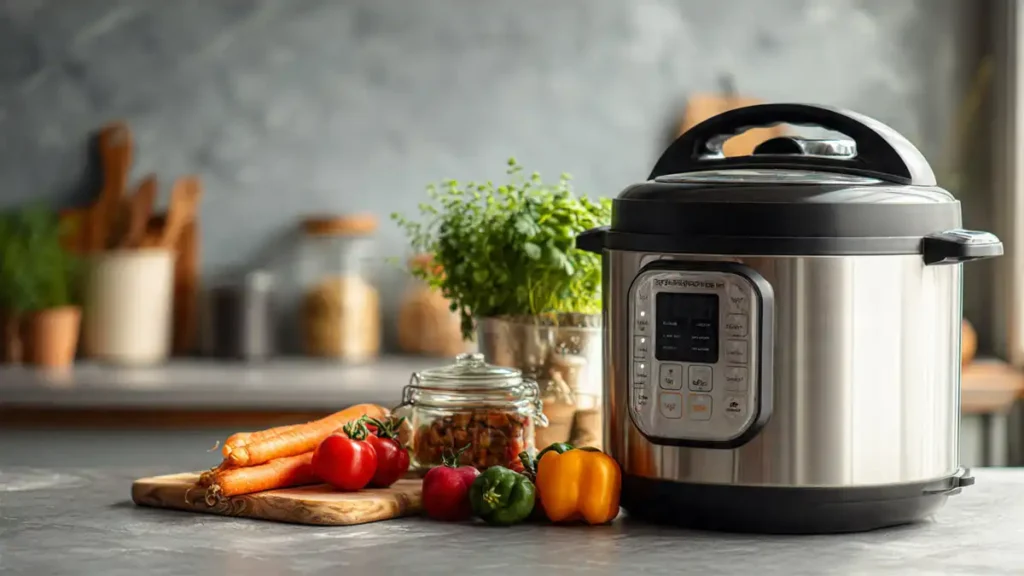
Plug in, press buttons, walk away. Digital timers, automatic pressure control, plus slow cooking, rice, steaming, and more.
✅ Set-and-forget
✅ Safer for beginners
✅ Saves counter space (one appliance, many jobs)
3. Pressure Canner & Cooker
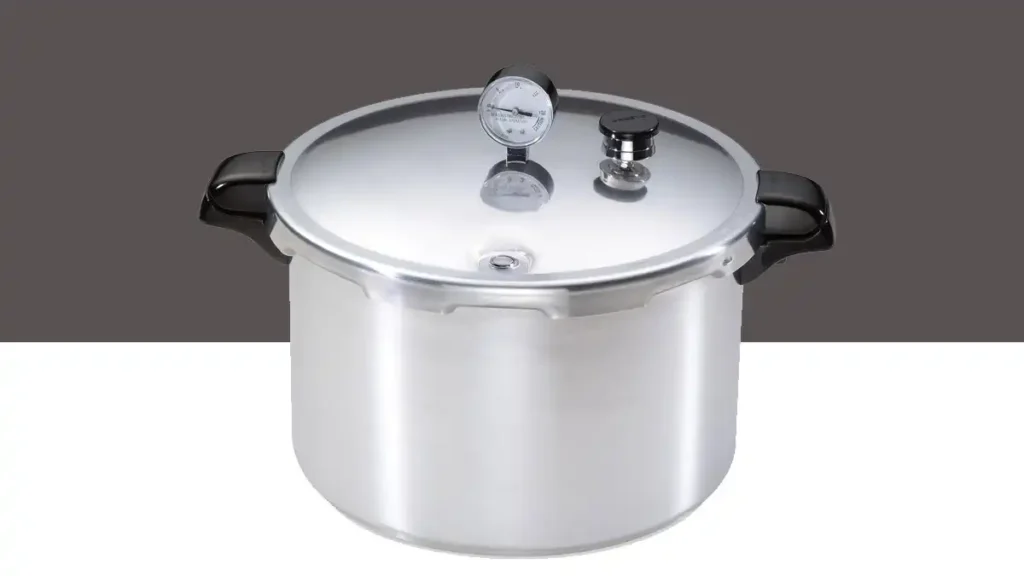
A larger, heavy‑duty stovetop model designed for both pressure cooking meals and home canning (preserving vegetables, meats, sauces).
✅ Extra‑large capacity (16‑23 quarts)
✅ Dual‑purpose: cook + can
✅ Built for bulk processing
Example: Presto’s aluminum pressure canner (16 or 23 qt) is a popular choice in the US for batch cooking and water‑bath or pressure canning.
(For a full breakdown of how pressure cookers compare to slow cookers, check out our Slow Cooker vs Pressure Cooker guide.)
🌍 How Different Countries Use Them
🇺🇸 United States – Convenience first
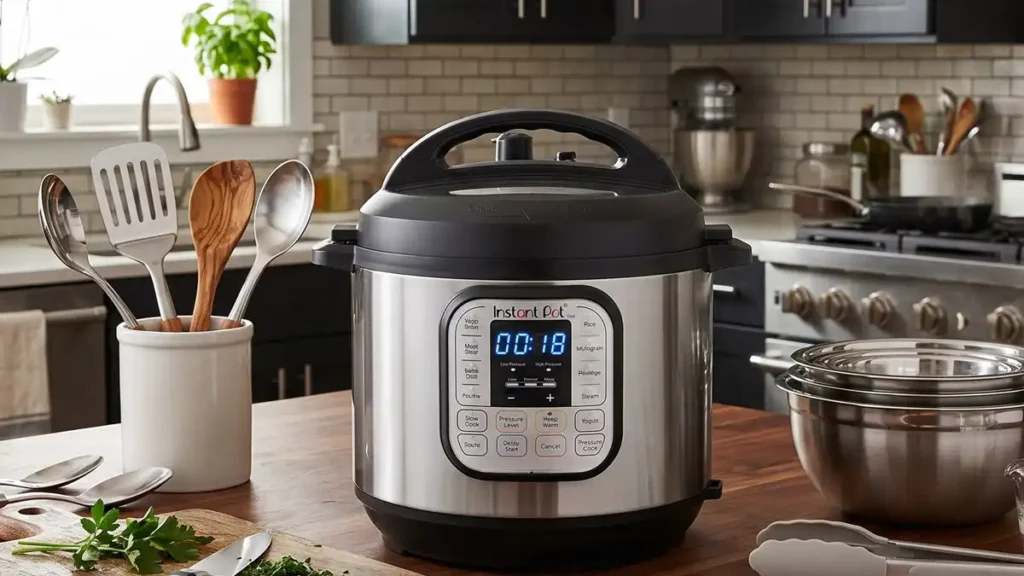
Americans love electric and multi-cookers. Silent, safe, automated. Nobody counts whistles here. It’s all about busy schedules and meal prep.
🇨🇦 Canada – Practical mix
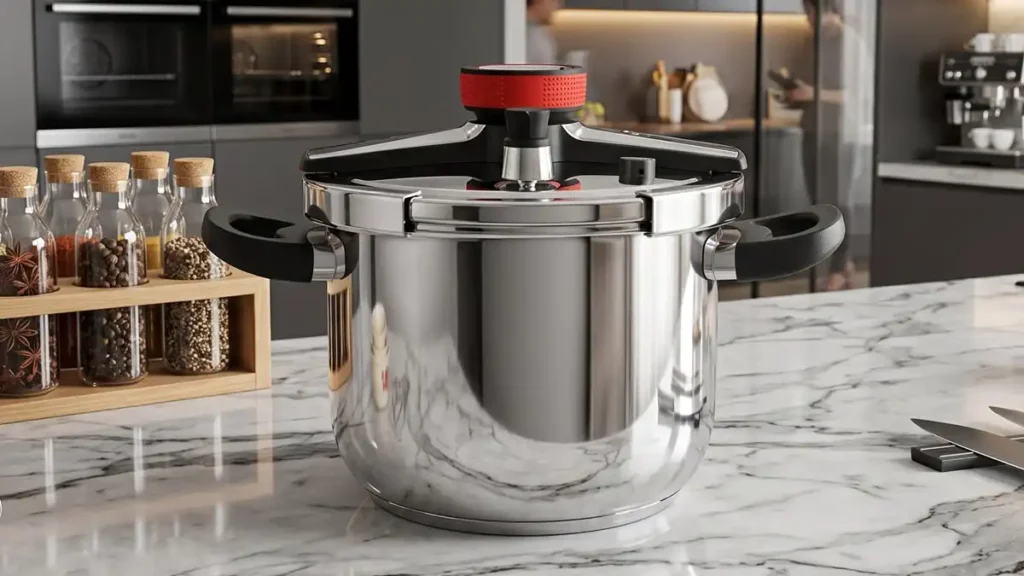
Similar to the US, but you’ll also find stainless steel stovetop models. Energy efficiency matters, especially for batch cooking in cold winters.
If you’re wondering whether a slow cooker (or any countertop cooker) is really worth buying, here’s our honest take: Is a Slow Cooker Worth It?
🇬🇧 United Kingdom – Balanced
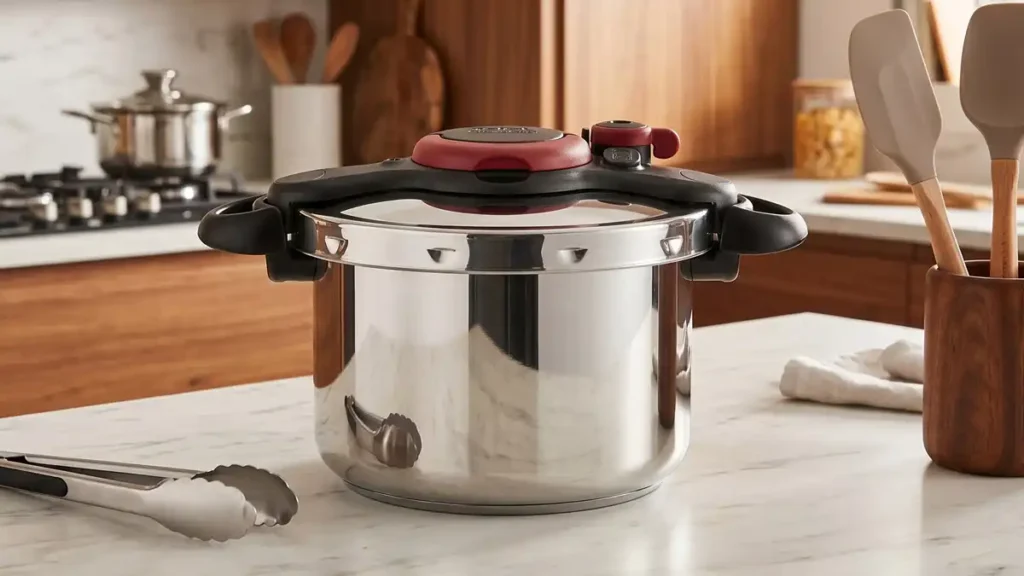
The UK market relies on spring-valve systems due to strict safety rules, and kitchens are often compact. The Tefal-style cooker perfectly illustrates a modern, compact European spring-valve design.
🇦🇺 Australia – Modern & flexible
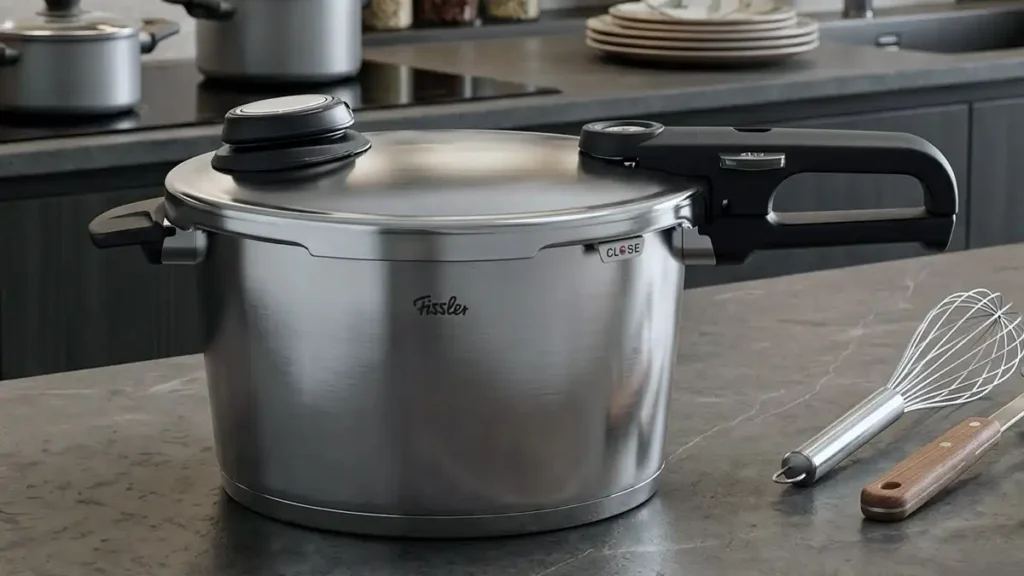
Multi-cookers dominate. Urban lifestyles and batch cooking drive the trend. People want one device that does everything. However, premium European stovetop brands are still heavily utilized by home chefs who want rapid, high-pressure results for large batches of food.
🇮🇳 India – Daily essential, whistle-powered
In India, pressure cookers aren’t optional — they’re used every single day.
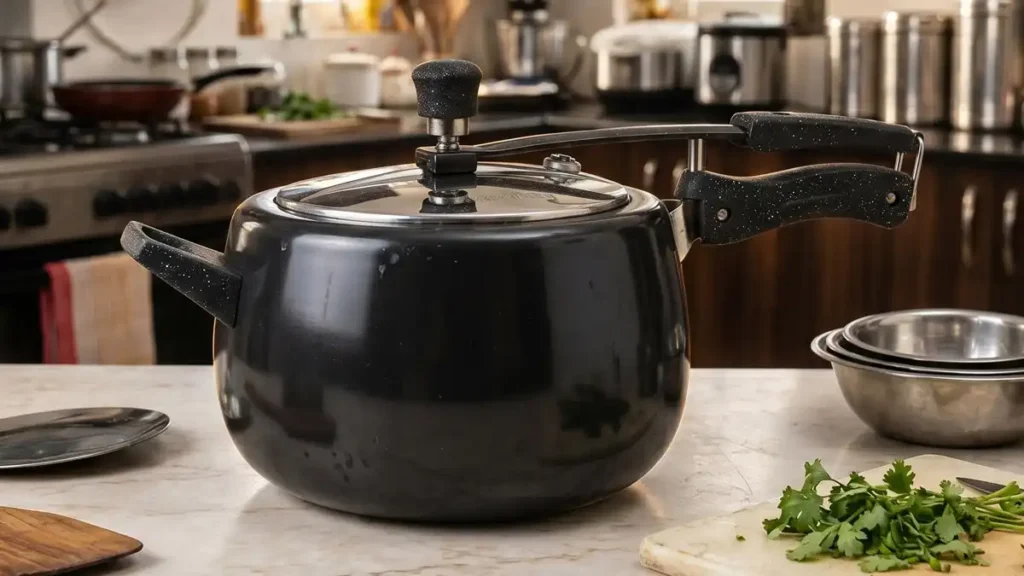
Materials available in the Indian market:
- Aluminum (light, heats fast)
- Stainless steel (durable, premium)
- Anodized aluminum — a popular middle-ground option that resists corrosion and is harder than regular aluminum
So you’ll find all three, depending on budget and cooking style.
The classic Indian pressure cooker still uses a whistle system (people time cooking by “number of whistles”) and works at relatively high pressure.
Pro tip for US-based cooks: If you buy an Indian-style stovetop cooker and have an electric or induction stove, check that the base is induction-compatible. Many traditional aluminum models are not — but stainless steel and some anodized ones are.
🇨🇳 China – Electric Pressure Cookers Have Taken Over
In China, pressure cookers have shifted dramatically from traditional stovetop models to electric pressure cookers.
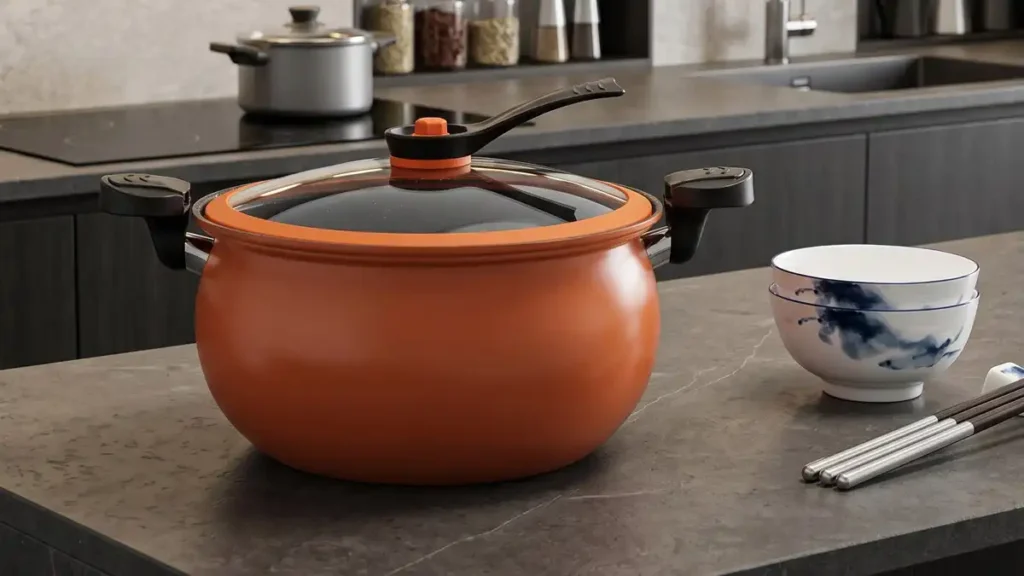
Why? Because electric versions are:
- Safer – No risk of blocked valves or over-pressurizing.
- Easier – Set a timer and walk away; no need to listen for whistles.
- Multi‑functional – They cook rice, porridge, soup, stew, and even yogurt.
- Quieter – No hissing or whistling.
- Cleaner – No splatter on the stove.
Materials used in China:
- Stainless steel – Durable and premium; widely used in both stovetop and electric models.
- Aluminum – Lightweight and budget‑friendly.
What is an electric pressure cooker called in China?
It’s called “电压锅” (diànyāguō) – literally “electric pressure pot.” This is different from a standard electric rice cooker (“电饭煲”).
Pro tip for US‑based cooks: If you buy a Chinese electric pressure cooker in the US, check voltage compatibility. Most are designed for 220V, but the US uses 110‑120V. You may need a voltage converter.
🇰🇷 South Korea – Pressure Cookers Meet Smart Rice Cookers
In South Korea, kitchen counter space is often shared by two distinct types of pressure cookers: the ultra-modern smart electric cooker and the heavy-duty stovetop model.
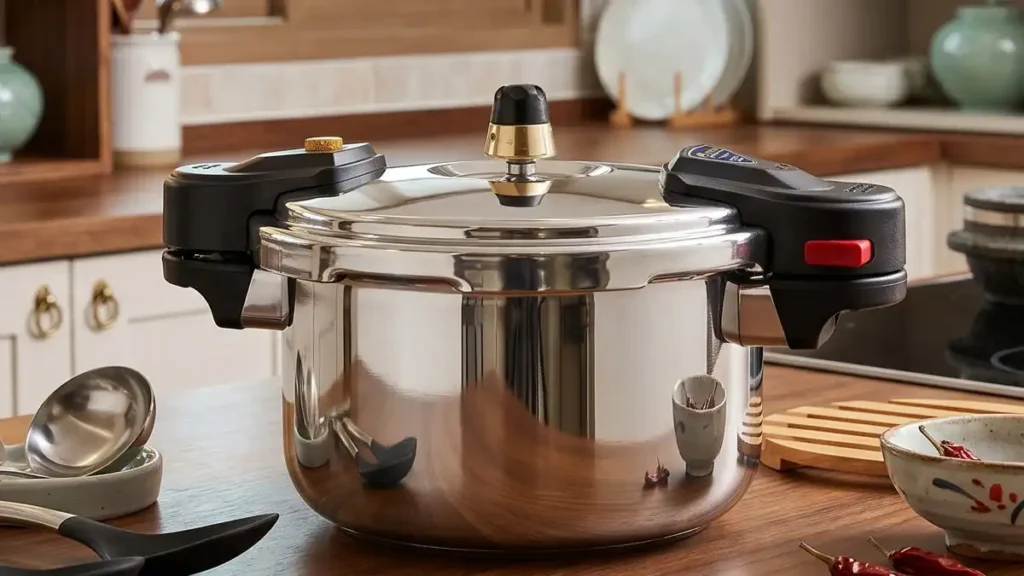
While high-end electric pressure cookers (which double as premium smart rice cookers) handle the daily task of perfectly cooking mixed grains and rice, stainless steel stovetop pressure cookers are the undisputed champions for traditional cooking.
How South Koreans use stovetop pressure cookers:
- Heavy-duty broths: Quickly extracting rich flavors from bones for soups like Seolleongtang (ox bone soup).
- Samgyetang (Ginseng chicken soup): The high pressure breaks down the whole chicken perfectly in a fraction of the time.
- Galbijjim (Braised short ribs): Tenderizing tough cuts of beef rapidly without drying them out.
- Durability: Premium stainless steel is the standard. These cookers are built incredibly tough to withstand high heat and frequent, rigorous boiling.
Pro tip for US‑based cooks: If you are importing a Korean stovetop pressure cooker, ensure the base is thick and induction-compatible, as many modern Korean homes and apartments rely heavily on induction cooktops.
🌏 Rest of the world
- Europe (Germany, France, Spain) → Premium stovetop models, silent valves, precise control.
- Middle East → Large stovetop cookers for family meals.
- Asia (Japan, China, SE Asia) → Electric pressure cookers often combined with rice cooker functions.
- Africa → Heavy-duty, large-capacity stovetop cookers built for bulk cooking grains, legumes, and tough meats.
- New Zealand → Compact, energy-efficient cookers scaled down for everyday, quick meals.
Not sure how a slow cooker works compared to a pressure cooker? Our beginner’s guide explains the basics: What Is a Slow Cooker & How It Works
🔍 What Really Makes Them Different?
| Factor | Traditional (e.g., India) | Modern (e.g., US/UK) |
|---|---|---|
| Pressure signal | Whistle | Silent valve |
| Material | Aluminum, anodized aluminium, or stainless steel | Mostly stainless steel |
| Control | Manual heat | Digital automation |
| Use frequency | Daily | Weekly or less |
✅ So Which One Should You Buy?
There’s no single “best” pressure cooker. Ask yourself:
- Want raw speed and hands-on control? → Stovetop
- Prefer convenience and safety automation? → Electric
- Need a do-everything kitchen gadget? → Multi-cooker
Also think about your cooking habits. A model that works perfectly in an Indian kitchen might feel awkward in an American one — and that’s fine.
⚠️ Safety Note
Newer pressure cookers (especially in the US, UK, and Europe) have locking lids, pressure sensors, and auto-release valves. Older or traditional designs rely more on you paying attention. Both are safe when used correctly.
Pressure cookers share a name, not a personality. They’re shaped by culture, kitchen size, cooking frequency, and even stove type.
Understanding how you cook is more important than chasing the fanciest model.
👉 It’s not about the cooker.
👉 It’s about your rhythm in the kitchen.