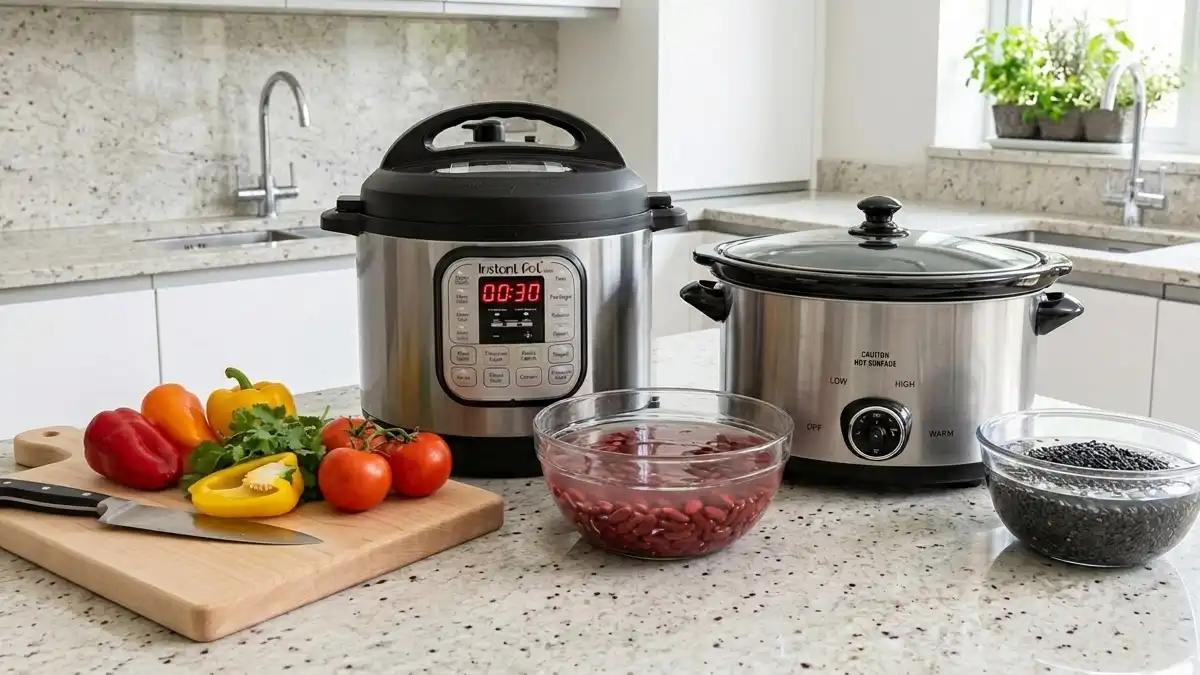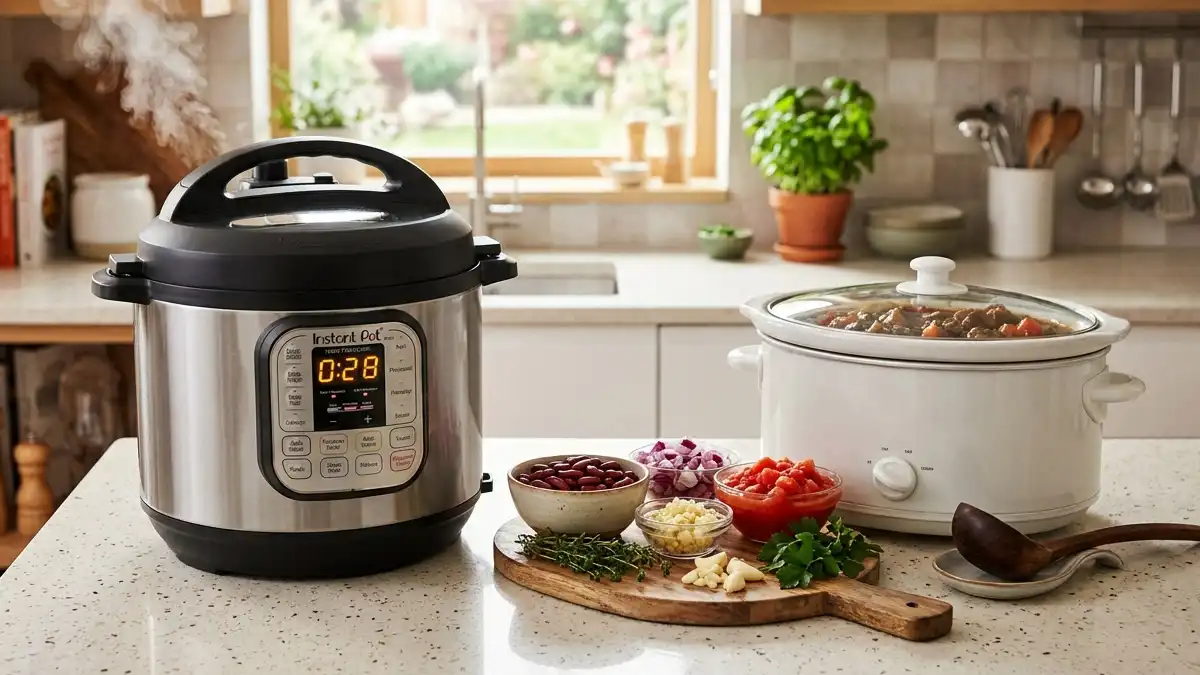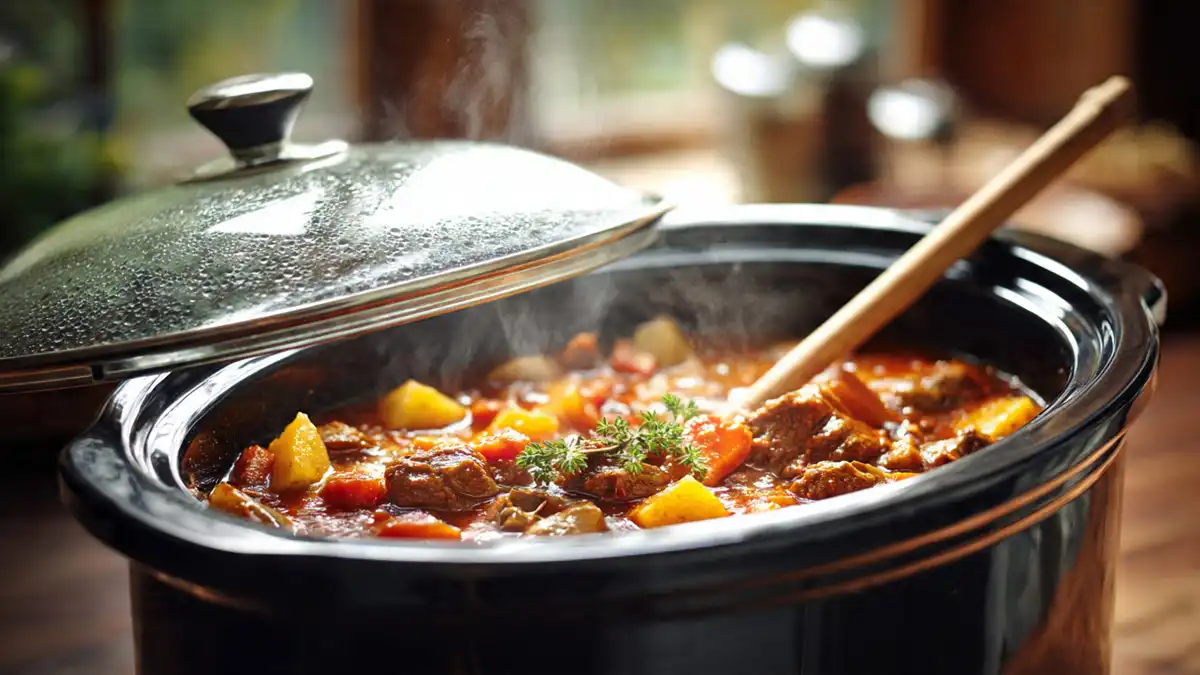
If you’ve ever dreamed of coming home to the aroma of a fully cooked meal without hovering over a stove, a slow cooker might just become your best friend. This humble kitchen appliance has been a staple in homes for decades, yet many newcomers still wonder: what exactly is it, and how does it turn raw ingredients into tender, flavorful dishes while you’re away? In this guide, we’ll break down everything you need to know—from the basics of how it works to whether it deserves a spot on your countertop.
Quick Answer: A slow cooker is a countertop electrical appliance that cooks food at a low, consistent temperature over a long period, developing deep flavors with minimal supervision.
What Is a Slow Cooker?
A slow cooker is a countertop electrical appliance designed to cook food at a low, consistent temperature over an extended period—typically anywhere from 4 to 10 hours. Think of it as a gentle, hands-off cooking method that does the work while you sleep, work, or run errands.
Simple definition: It’s a covered pot sitting inside a heating unit that slowly simmers food, trapping steam and building deep flavors.
Who should use it? Anyone who wants to simplify mealtime. Slow cookers are especially popular among:
- Busy professionals who can prep ingredients in the morning and return to a ready dinner.
- Beginners who feel intimidated by stovetop cooking—slow cookers are famously forgiving.
- Families looking to batch-cook soups, stews, and curries without constant stirring.
- People who love meal prep, as a slow cooker can effortlessly produce large portions.
If you’ve ever wondered whether a slow cooker is truly worth the investment compared to other gadgets, take a look at our detailed breakdown: Is a Slow Cooker Worth It.
How Does a Slow Cooker Work?
At first glance, a slow cooker seems almost magical—just toss in ingredients, set a timer, and walk away. But the science behind it is refreshingly straightforward.
Low vs High heat
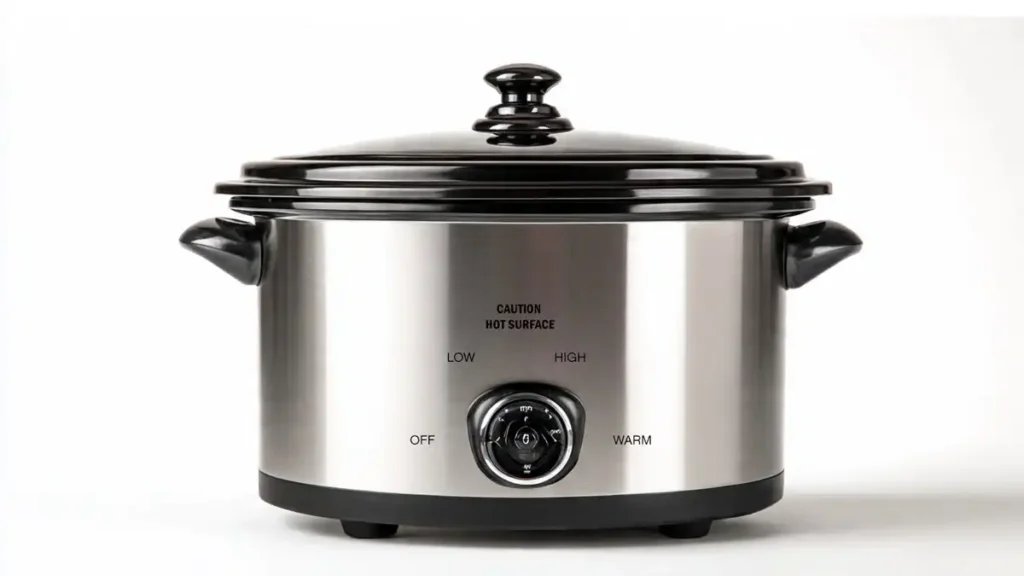
Most models offer at least two settings — LOW and HIGH. Crucially, both settings eventually reach the same maximum temperature; the difference is how quickly they get there. LOW takes longer to bring food to a simmer, making it ideal for all-day cooking, while HIGH shortens the window to a few hours.
| Setting | Typical Temperature | Cooking Time |
|---|---|---|
| LOW | ~190°F (88°C) | 6–10 hours |
| HIGH | ~250°F (121°C) | 3–5 hours |
Heat Distribution
The heating element wraps around the base and sometimes partway up the sides of the outer casing. This indirect, encircling heat gently warms the inner pot, preventing the hot spots common with direct stovetop flames. Because the heat is even, food cooks uniformly without requiring frequent stirring.
Moisture Retention
The tight-fitting lid is a hero here. It traps steam produced as the food heats up, creating a miniature self-basting environment. Very little liquid evaporates, which means flavors meld deeply.
💡 Pro tip: Since almost no evaporation occurs, reduce the liquid from your stovetop recipe by about 30–50% to avoid thin, watery results. However, this sealed environment also means liquids released by vegetables and meats are retained—if you’ve ever been puzzled by a dish turning out thinner than expected, we explain the reasons (and fixes) here: Why Slow Cooker Food Turns Watery.
Key Parts of a Slow Cooker
Slow cookers are simple machines, but understanding their components helps you use them effectively:
Heating Base
The outer metal or plastic housing that contains the electric heating coils. It’s designed to stay cool enough externally for safety, though the inside gets hot. This base houses the control dial or digital panel.
Inner Pot (Crock)
Usually made of glazed ceramic, stoneware, or sometimes metal. This removable pot holds the food. Stoneware is prized for its ability to retain and diffuse heat gently. Most inner pots are dishwasher-safe and can be used for serving at the table.
Lid
Typically glass so you can monitor the cooking progress without lifting it (which releases precious heat and steam). A heavy lid with a good seal is essential for maintaining the slow cooker’s low-temperature, moist environment.
Some modern slow cookers also include features like programmable timers, automatic “keep warm” modes, and even locking lids for transport—but at its core, every slow cooker relies on these three pieces.
What Can You Cook in a Slow Cooker?
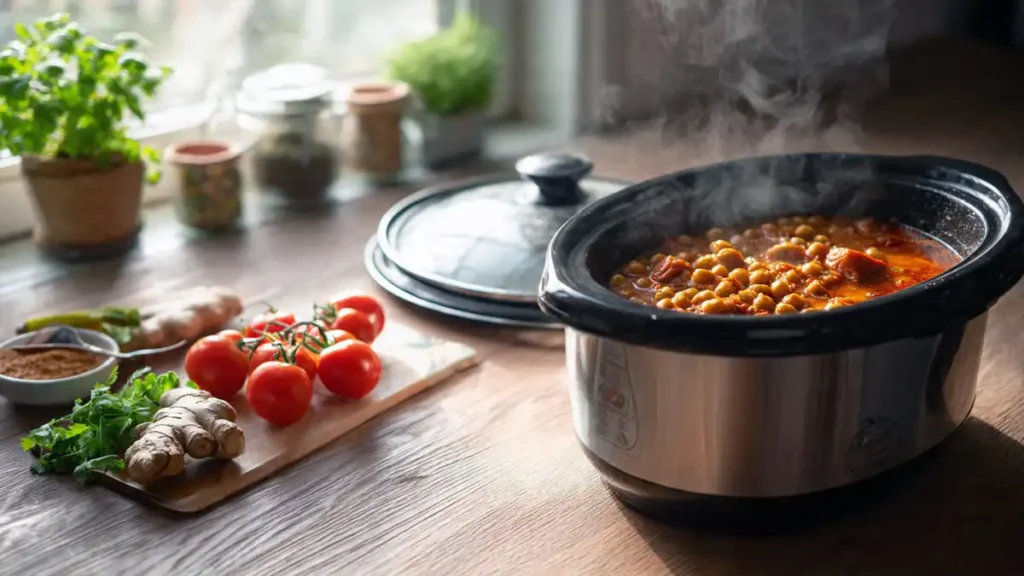
A slow cooker excels with foods that benefit from long, moist cooking. You’ll find it particularly rewarding for:
- Pulses and grains: Dals, lentils, chickpeas, and dried beans turn buttery-soft without the need for a pressure cooker. A simple tadka dal or a pot of rajma cooks beautifully.
Important: If you’re using dried red kidney beans, boil them on the stovetop for at least 10 minutes first. They contain a natural toxin that slow cookers may not fully neutralize.
- Soups and broths: From classic chicken soup to roasted tomato basil soup, the slow simmer extracts every bit of flavor.
- Tough cuts of meat: Beef chuck, lamb shoulder, pork ribs, or chicken thighs become fork-tender as connective tissue breaks down over hours.
- One-pot meals: Think biryanis, korma, sambar, chili, or even a robust vegetable stew.
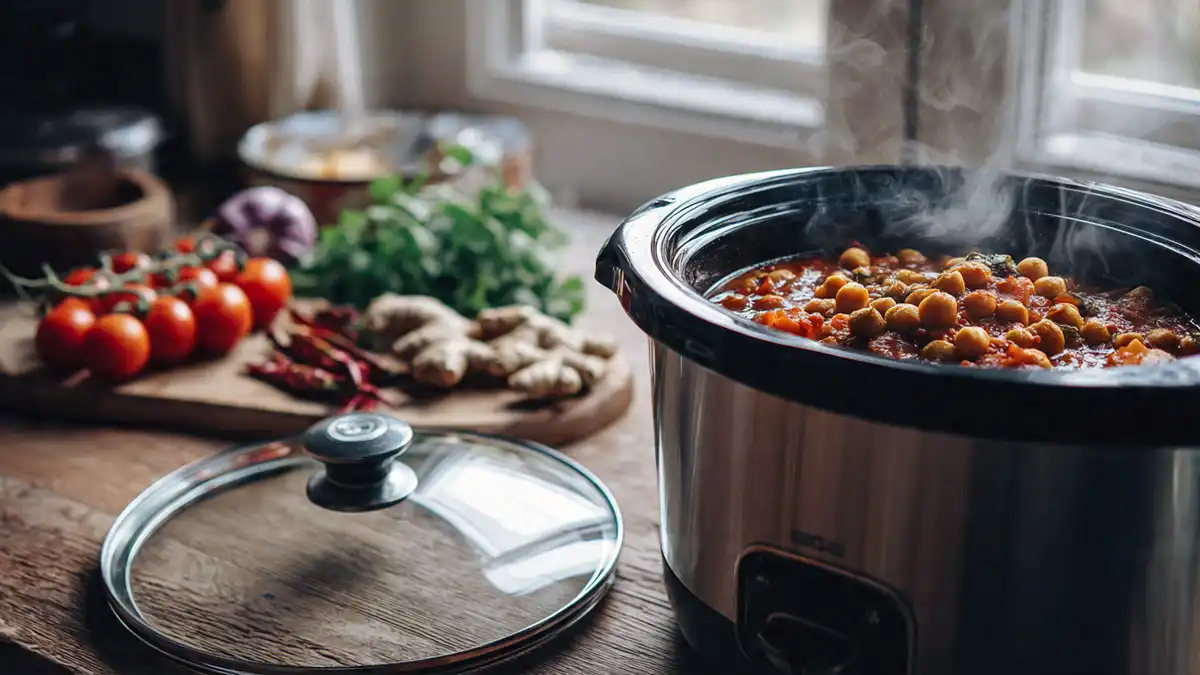
Real-life example: Imagine a busy weekday morning. You quickly sauté onions, add soaked chickpeas, chopped tomatoes, spices, and water into the inner pot. Set it on LOW, head to work, and return 8 hours later to perfectly cooked chana masala—aromatic, thick, and ready to pair with rice. Minimal babysitting required.
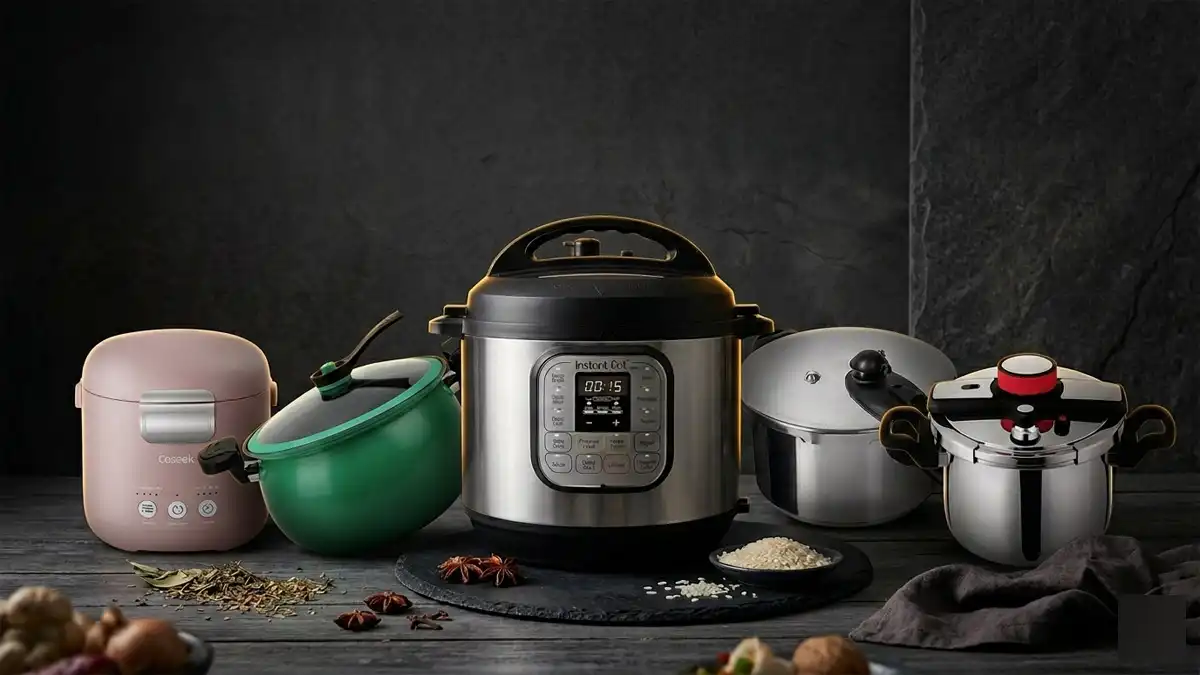
That said, the slow cooker isn’t an all-in-one miracle worker. Delicate veggies like peas or zucchini can be added near the end to avoid mushiness, and you won’t get the crisp browning of a tandoor or grill. For a closer look at how a slow cooker stacks up against a pressure cooker for different cooking styles, see our comparison: Slow Cooker vs Pressure Cooker.
Benefits of Using a Slow Cooker
Why have these appliances stood the test of time? Several reasons:
- Low effort, high reward: Once your ingredients are prepped and in the pot, the cooker does the rest. No stirring, no temperature adjustments, no worry about scorching.
- Deep, developed flavor: The long, gentle cooking allows spices and aromatics to fully infuse. Unlike quick stovetop methods, a slow cooker melds flavors into a cohesive dish.
- Energy efficiency: A slow cooker uses far less electricity than an oven and doesn’t heat up the kitchen—a boon during warm months.
- Convenient timing: With a programmable model, you can set the cooking duration and have it automatically switch to “warm” when finished. This flexibility is a game-changer for unpredictable schedules.
- Tenderizes budget-friendly ingredients: Tougher, cheaper cuts of meat and dried legumes transform into luxurious meals without splurging.
Common Limitations (Be Honest)
No appliance is perfect, and a slow cooker does have its downsides:
It takes time. Even on HIGH, most dishes need 3–4 hours. If you forget to start it in the morning, dinner may be late. This isn’t a tool for last-minute cooking.
No crispy textures. Craving that caramelized crust on a roast or a crunchy top on a casserole? A slow cooker steams rather than browns. You can sear meat in a pan beforehand, but the appliance itself won’t produce crispiness.
Flavors can mellow too much. Some fresh herbs and delicate spices lose their punch over long hours. Often you’ll need to add a final seasoning boost, a squeeze of lemon, or fresh cilantro before serving.
Overcooking risk. While it’s forgiving, leaving food on LOW for 12+ hours can still turn vegetables to mush and meats stringy. The “keep warm” function helps, but it’s not a perfect holder for extended periods.
Not ideal for everything. Pasta, rice, and dairy-based sauces can turn overcooked or mushy or curdle if added at the wrong time. Learning the right sequence matters.
Understanding these limits helps you use the slow cooker where it shines, and turn to other methods when needed. For instance, if you’re ever irritated by a pot of otherwise delicious curry that looks like thin soup, the article on Why Slow Cooker Food Turns Watery offers practical solutions.
Is a Slow Cooker Right for You?
A slow cooker fits beautifully into many lifestyles, but let’s match it to specific needs:
Busy people: If your schedule means you’re out of the house for 8+ hours, a slow cooker can be a lifesaver. Prep at night, refrigerate the insert, and start it in the morning. You’ll walk into a home that smells like dinner is already served. Programmable models add a layer of safety and control.
Beginners and nervous cooks: Because most recipes are assembled in one pot and require no precision timing, a slow cooker builds confidence. Even if your chopping is uneven or you’re unsure about spice levels, the results are usually delicious. There are no flames to watch, and forgetting about it rarely ruins the meal.
Large families or meal preppers: The generous capacity (often 5–7 quarts) means you can cook once and eat for days, or freeze leftovers for future busy days. Economical ingredients like dried beans and large roasts become convenient.
If you’re kitchen-space limited: A slow cooker can double as a rice cooker, soup warmer, and even a dessert maker, reducing the need for multiple gadgets.
However, if you prioritize quick cooking, love charred or crispy textures, or have unpredictable daily routines where prep time in the morning is impossible, you might find a pressure cooker more aligned with your style. If you’re deciding between tools, check out our Slow Cooker vs Pressure Cooker guide for a clear side-by-side comparison.
Frequently Asked Questions
Is a slow cooker safe to leave on all day?
Yes. Slow cookers are designed for unattended use. Place it on a flat, heat-resistant surface away from walls and curtains. Modern models often include automatic keep-warm or shut-off functions for extra peace of mind.
Can you put raw meat in a slow cooker?
Absolutely. Raw meat is safe as long as it’s fully thawed and you cook it to a proper internal temperature. Do not put frozen meat directly into a slow cooker, as it may spend too long in the bacterial danger zone.
Do slow cookers use a lot of electricity?
No. They are surprisingly energy-efficient, typically using about as much power as a standard light bulb over the cooking duration—far less than running an oven.
Can I cook rice in a slow cooker?
Yes, but it requires adjusting liquid ratios and timing. Brown rice and mixed rice dishes (like pilaf or biryani) usually work better than plain white rice, which can become mushy if overcooked.
What’s the first dish you’re planning to cook in your slow cooker? Let us know in the comments below!
🔗 Explore more of our guides to help you choose the right kitchen tool:
- Slow Cooker vs Pressure Cooker
- Is a Slow Cooker Worth It
- Why Slow Cooker Food Turns Watery