You followed the recipe, set the timer, and came back to a slow cooker full of flavor — but the curry, stew, or chili looks more like soup. Watery slow cooker food is one of the most common frustrations for new users, yet the reasons behind it are refreshingly simple. This guide explains exactly why it happens and how to prevent it, so you can enjoy perfectly thick, rich meals every time.
Quick Answer:
Slow cooker food turns watery because the sealed lid traps nearly all steam, preventing evaporation. Combined with liquid released from vegetables and meat, plus using stovetop recipes without adjustment, the result is often too much liquid. The fix: reduce added liquids by 30–50%, limit lifting the lid, and add thickeners if needed.
Too Much Liquid
The number one culprit behind watery slow cooker meals is simply adding too much liquid at the start.
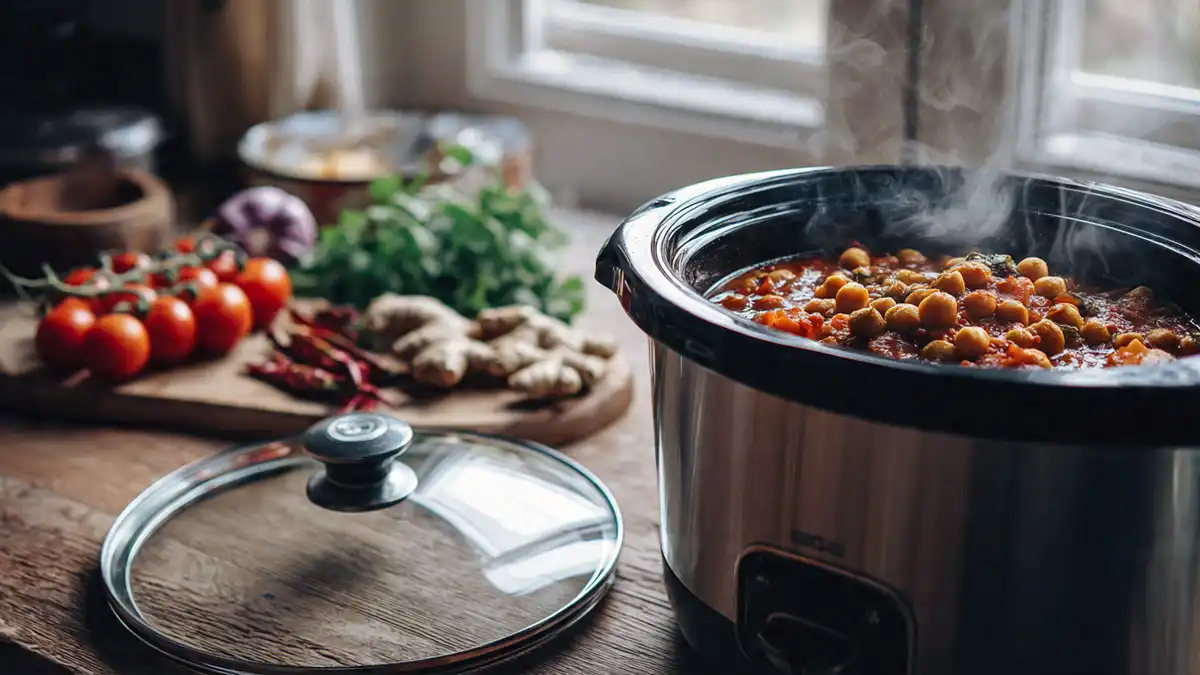
On the stovetop or in the oven, water visibly evaporates as steam. You see bubbles, hear sizzling, and watch liquid levels drop. In a slow cooker, the tight-fitting lid prevents almost all of that. The steam hits the lid, condenses, and drips right back into the pot. This is great for tenderizing and building flavor, but it means every drop you add stays there.
Additionally, ingredients themselves release moisture. Onions, tomatoes, zucchini, chicken thighs, and even carrots can give off significant water as they cook. If your recipe already includes canned tomatoes, broth, or coconut milk, and you don’t account for this natural release, you’ll end up with a diluted sauce.
The golden rule:
When adapting a stovetop recipe for the slow cooker, reduce the added liquid by 30–50%. For example, if a stovetop curry calls for 2 cups of water, start with just 1 cup. You can always add more at the end if needed.
Lid Opening Mistake
It’s tempting to lift the lid and check on your food — but every time you do, you’re changing the cooking environment.
Opening the lid releases built-up heat and steam. While this might seem like a quick fix for watery food, it actually does the opposite. The sudden temperature drop interrupts the simmer and can prolong cooking time, but it does not effectively reduce overall liquid. The small amount of steam that escapes isn’t enough to fix a truly over-watered dish. Worse, you risk food staying in the bacterial danger zone for too long if the temperature drops too low.
Best practice: Trust the process. Keep the lid sealed for the entire cooking time, especially during the first 2 hours and the last hour. If you absolutely must check, do it quickly and avoid removing it more than once. For a deeper look at how the sealed environment works, see our pillar guide: What Is a Slow Cooker and How Does It Work?.
Wrong Ingredients
Sometimes the issue isn’t the liquid you add — it’s the form of the ingredients you’re using.
Frozen vegetables or meat: Frozen produce and proteins release a flood of water as they thaw inside the slow cooker. This extra liquid wasn’t accounted for in the recipe and instantly thins your sauce. Always thaw ingredients fully, drain off any excess liquid, and pat meat dry before adding.
Pre-made broths or stocks: Some store-bought broths are already high in water content. If you’re using a low-sodium or diluted broth, and then adding more water as per the recipe, the total liquid can skyrocket. Use concentrated stocks or reduce the amount you pour in.
Too many high-water veggies: Fresh tomatoes, zucchini, spinach, and mushrooms contain over 90% water. If you overload a slow cooker with these, they’ll release a surprising amount of liquid. Consider sautéing some of these separately to drive off moisture, or use less than stovetop amounts.
Fix Methods
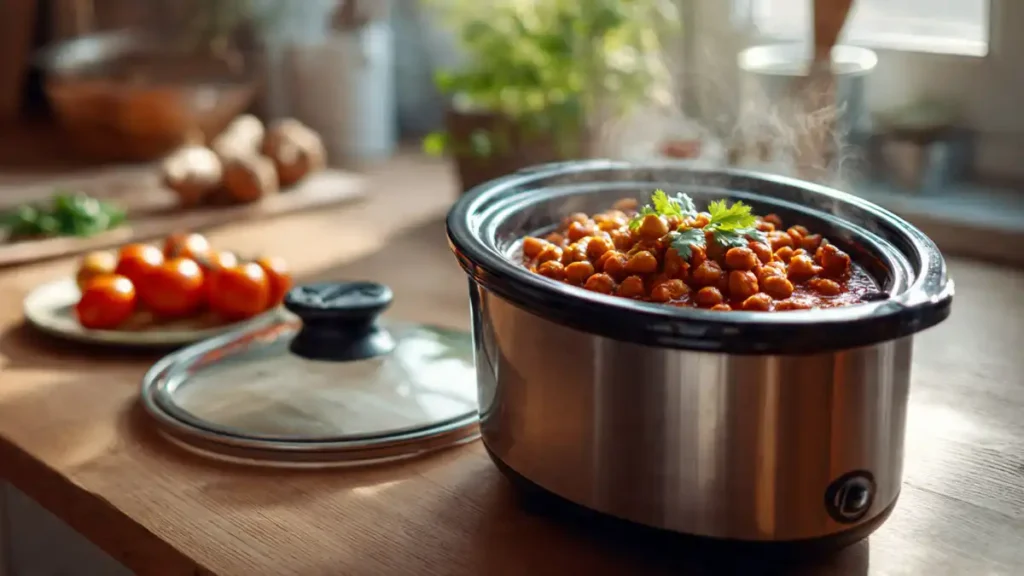
If your dish is already cooked and looks too thin, don’t panic. There are several quick fixes that don’t ruin flavor.
- Remove the lid (carefully) at the end: After cooking is complete, switch the slow cooker to HIGH and leave the lid off for 20–30 minutes. Some steam will escape, slightly thickening the dish. Stir occasionally.
- Stovetop reduction: Pour the liquid into a saucepan and boil it down rapidly on the stove. Return the reduced liquid to the slow cooker. This concentrates flavor beautifully.
- Add a thickener:
- Cornstarch slurry: Mix 1 tablespoon cornstarch with 2 tablespoons cold water, then stir it into the hot dish. Let it cook uncovered on HIGH for 10–15 minutes.
- Flour or roux: Make a paste of equal parts flour and softened butter, whisk bits into the simmering liquid.
- Mashed potatoes or lentils: For stews and curries, a scoop of plain mashed potato or blended lentils can naturally thicken without altering flavor much.
- Puree some of the solids: Remove a cup of the solid ingredients (vegetables, beans, meat), blend until smooth, and stir back in. This creates a hearty, naturally thickened texture.
- Add a grain or legume: Stir in quick-cooking oats, couscous, or red lentils about 15–20 minutes before serving. They’ll absorb excess liquid and add body.
Pro Tips
These habits prevent watery disasters before they start.
Layer ingredients correctly. Place root vegetables and meats at the bottom, where they start cooking first and release liquid more gradually. Delicate veggies go on top.
Drain canned goods thoroughly. Even if the recipe calls for the liquid, canned beans and tomatoes often contain a lot of excess water. Rinse and drain unless the liquid is essential.
Use the “less is more” mindset. You can always add a splash of water or broth near the end. It’s much harder to remove it.
Write it down. If a recipe turns out perfect, note the exact liquid amounts and any adjustments you made. Over time, you’ll develop an instinct.
Embrace the saucy version. Some dishes, like dal or certain curries, are traditionally thinner. If the flavor is there, serving it with rice or bread that soaks up the liquid can turn a “mistake” into a feature.
If you’re frequently annoyed by watery results and considering whether the appliance is right for you at all, our honest pros and cons guide can help: Is a Slow Cooker Worth It?
Frequently Asked Questions
Is it normal for slow cooker food to be watery?
It is common, especially for beginners, but it is fixable. Because the lid prevents evaporation, most foods retain more liquid than stovetop versions. With ingredient and liquid adjustments, you can achieve a thick consistency.
Should I stir my slow cooker food?
Stirring is rarely needed during cooking because the even heat prevents scorching. Stirring also releases more steam, so it’s best to stir only at the very beginning (to combine) and again at the end when you’re checking seasoning and consistency.
Can I just leave the lid slightly open to evaporate liquid?
You can, but it’s not efficient. A small opening releases heat unevenly and significantly extends cooking time. It’s better to finish cooking, then remove the lid completely for 20–30 minutes on HIGH.
Why does my chicken release so much water in the slow cooker?
Chicken, especially bone-in cuts and frozen chicken, contains a lot of natural moisture. Thighs and legs release more than breasts. Thaw and pat dry chicken before adding, and consider searing it first to lock in some juices, though some release is inevitable.
Have you ever rescued a watery slow cooker dinner? Share your favorite thickening trick in the comments!
🔗 For more slow cooker guides: