If you’re building a functional kitchen, you’ll eventually face the classic debate: slow cooker or pressure cooker? Both appliances promise tender meals with minimal effort, but they achieve it in totally different ways. Whether you’re a busy professional, a meal prep enthusiast, or a beginner trying to decide where to invest your countertop space, this guide breaks down exactly how they compare—no fluff, just real answers.
Quick Answer
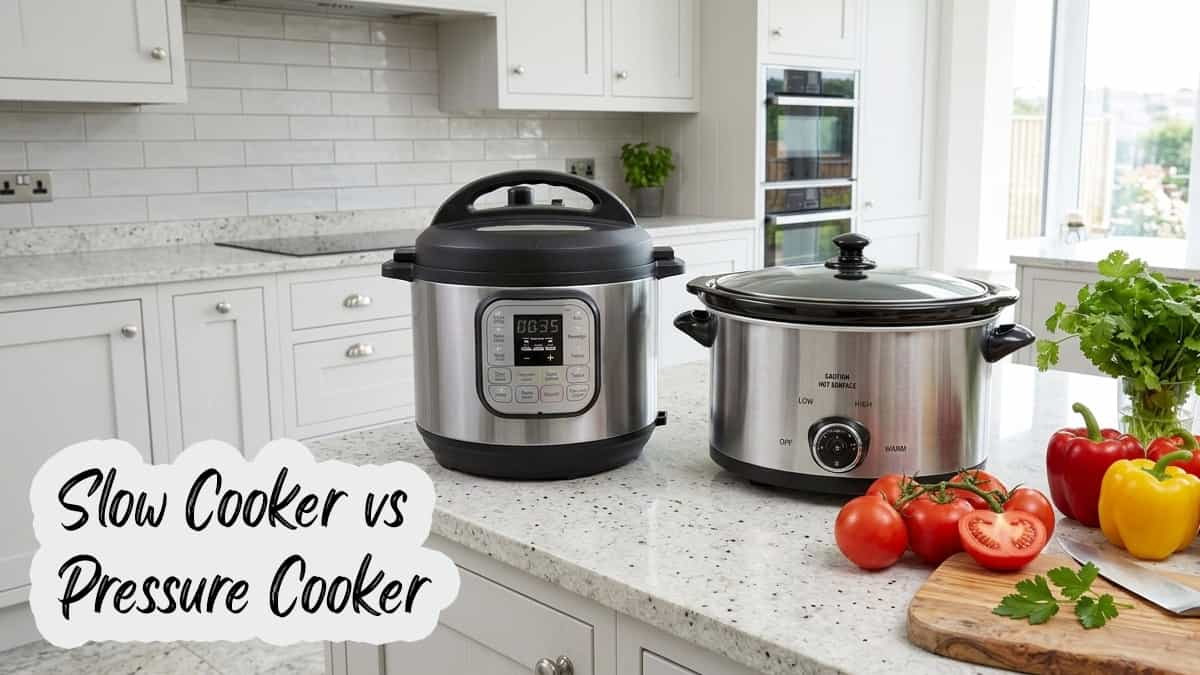
A slow cooker uses low, steady heat to cook food gently over many hours, while a pressure cooker uses trapped steam and high pressure to cook food dramatically faster. The right choice depends on your schedule, cooking style, and the textures you love. Many home cooks eventually find value in owning both.
Key Difference (Speed vs Slow)
The fundamental difference between the two appliances comes down to one thing: time and cooking method.
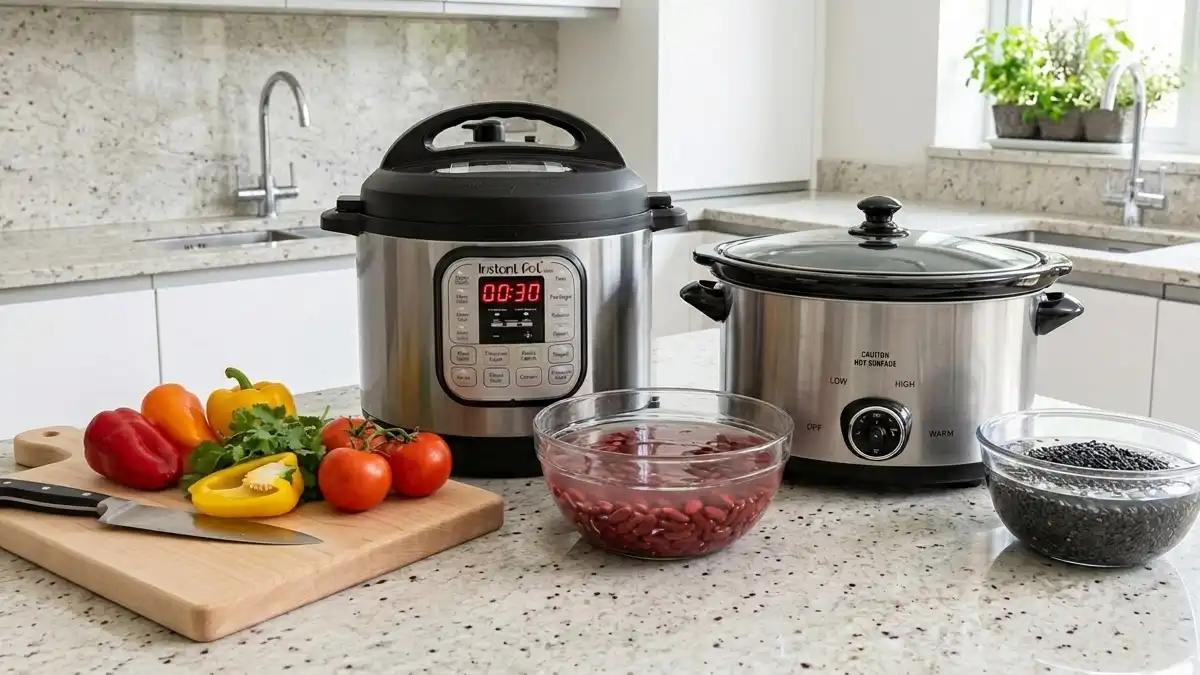
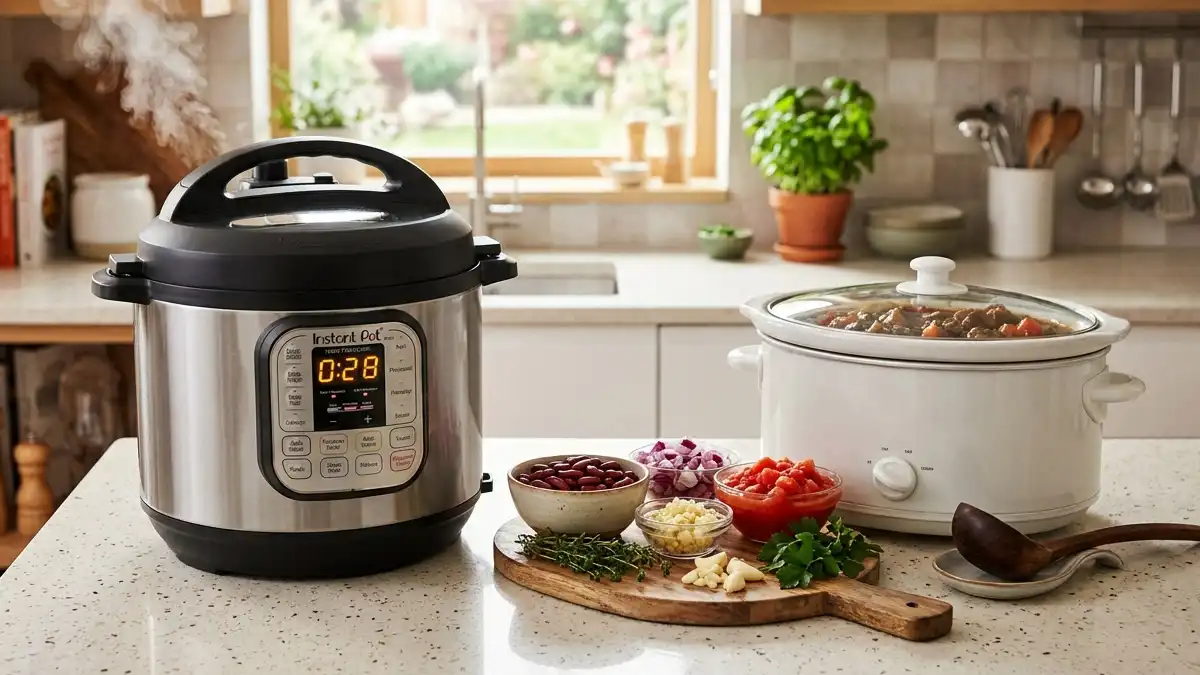
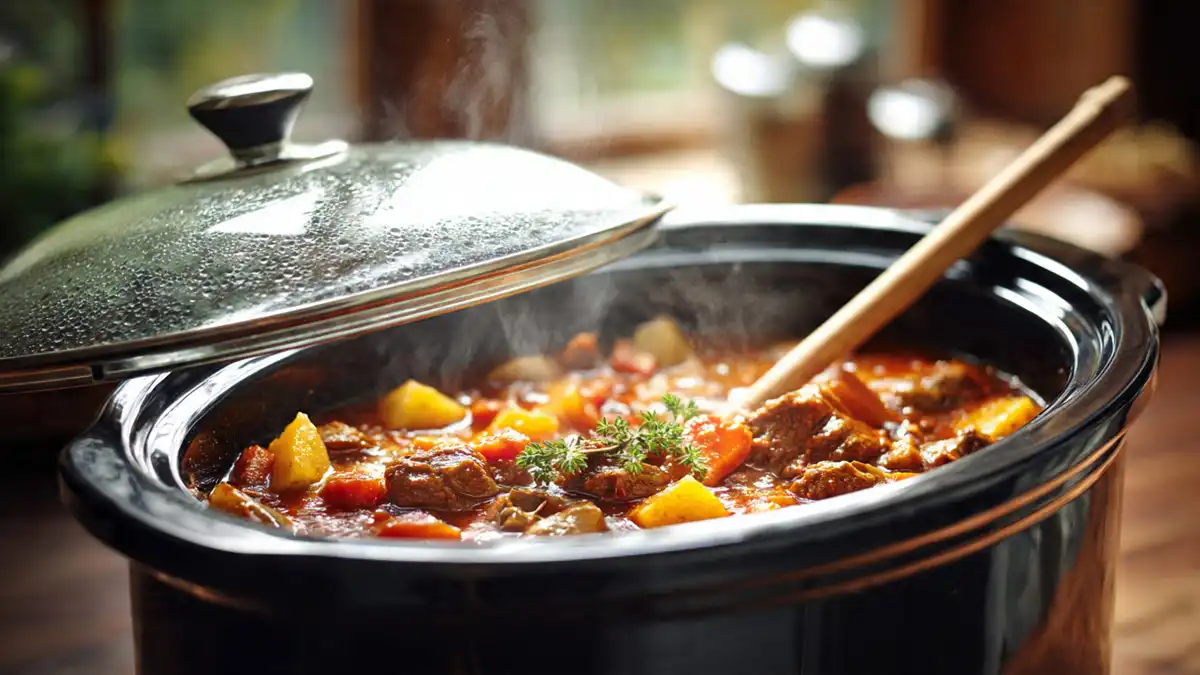
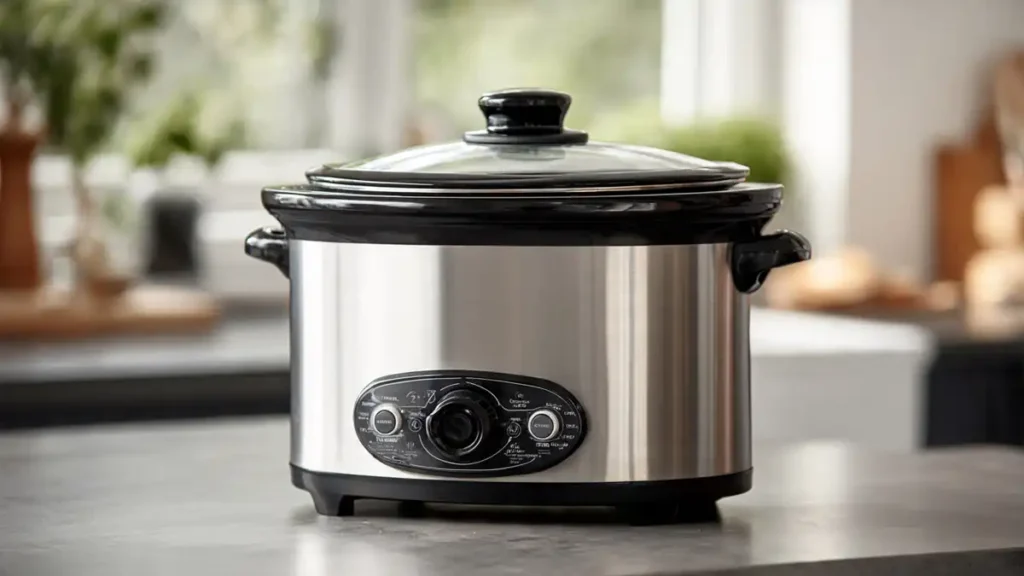
A slow cooker is designed for unhurried, all-day cooking. It heats food to around 190–250°F and holds it there for hours. Because the temperature is low and the lid keeps moisture locked in, it takes 6–10 hours to tenderize meats or develop flavors. It’s the ultimate “set it and forget it” tool.
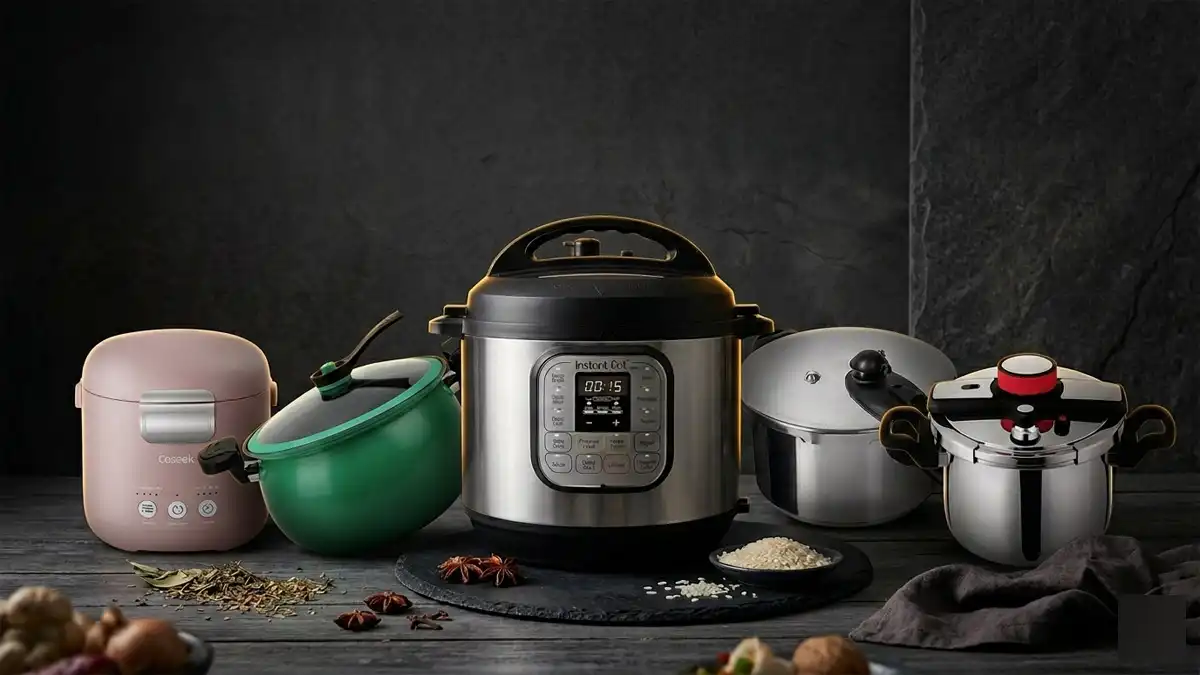
A pressure cooker (especially today’s electric multicookers like the Instant Pot) works by sealing steam inside a locked pot. This raises the internal pressure and allows the boiling point of water to exceed 212°F—often reaching 250°F. At this higher temperature, food cooks up to 70% faster. What takes 8 hours in a slow cooker might take 30–45 minutes under pressure. Safety note: Pressure cookers require a minimum amount of liquid (usually about 1 cup) to generate steam and reach pressure—without it, they won’t function properly.
Here’s a quick side-by-side look:
| Feature | Slow Cooker | Pressure Cooker (Electric) |
|---|---|---|
| Cooking Speed | Very slow (4–10+ hours) | Very fast (10–60 minutes) |
| Temperature | ~190–250°F | ~240–250°F (under pressure) |
| Moisture Loss | Almost none | Very little, but some steam release |
| Liquid Required | Minimal (food releases liquid) | At least 1 cup for steam |
| Best For | Tough meats, stews, curries, dal | Quick beans, grains, soups, steamed veggies |
| Texture Outcome | Fall-apart tender, deep flavors | Tender but firm, fresher-tasting |
| Unattended Use | Extremely safe | Safe, but faster cooking needs planning |
For a deeper dive into the slow cooker’s mechanics, check out our pillar guide: What Is a Slow Cooker and How Does It Work?.
When to Use a Slow Cooker
A slow cooker shines when you want maximum tenderness and layered flavor without babysitting the stove. Here are the clearest scenarios:
- You’re away from home for 8+ hours. Prep in the morning, set on LOW, and return to a fully cooked dinner. Programmable models even keep food warm for you.
- You’re cooking tough, budget-friendly cuts. Chuck roast, lamb shanks, pork shoulder, and chicken thighs break down into succulent perfection.
- You want deeply melded flavors. Slow, gentle heat allows spices, aromatics, and broths to marry harmoniously. Think tadka dal simmering all day or a rich bone broth.
- You’re meal prepping without the rush. A slow cooker easily handles large batches of chili, sambar, or stew that can be portioned and frozen.
- You’re a beginner. There’s almost no way to burn a slow cooker meal. It’s forgiving to uneven chopping or a heavy hand with spices.
Keep in mind that slow cookers retain all the liquid the ingredients release, which can sometimes lead to a thinner final dish. If that’s a concern, see how to fix it in our guide: Why Slow Cooker Food Turns Watery.
When to Use a Pressure Cooker
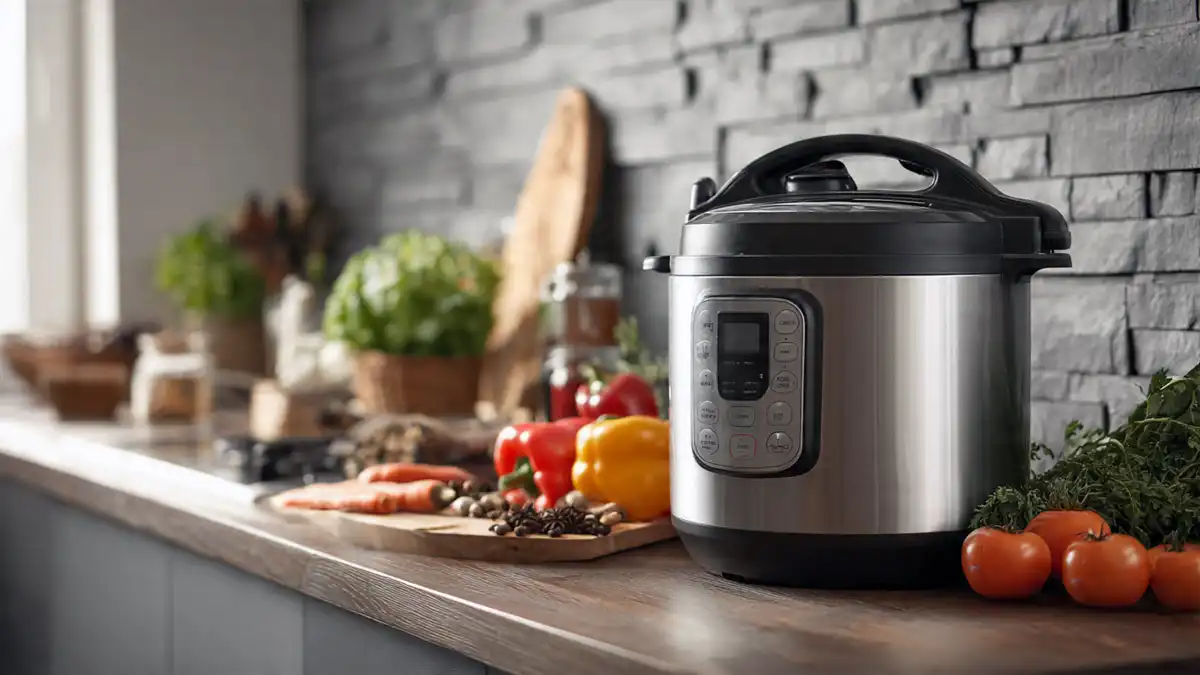
A pressure cooker is the hero of the “I need dinner now” scenario. It excels when speed is non-negotiable and you still want deep, satisfying results.
You forgot to plan ahead. Dried beans, chickpeas, and lentils that normally soak overnight can be ready in under an hour—no soaking required.
You want quick, weeknight meals. A full chicken curry or a comforting bowl of savory rice and lentil porridge can be on the table in 30 minutes..
You’re cooking grains or steamed dishes. Rice, quinoa, and even steamed vegetables retain their distinct texture and color far better than in a slow cooker.
You need to tenderize meat fast. Beef stew meat becomes spoon-tender in 35 minutes under pressure, versus 8+ hours in a slow cooker.
You value retaining bright, individual flavors. Because cooking time is short, the zing of tomatoes, fresh herbs, or ginger doesn’t mellow out entirely.
Modern electric pressure cookers usually come with a slow cook function, which can work in a pinch—but dedicated slow cooker enthusiasts often notice it’s not quite the same due to different heat distribution.
Taste Difference
Many home cooks are surprised to learn that the appliance you choose genuinely changes the flavor profile of a dish.
Slow cooker flavor
The long, low temperature creates a gentle caramelization of natural sugars over time, even without browning. Spices fully infuse, and the dish tastes “rounded” and deeply savory. However, delicate herbs and bright notes can fade; you’ll often want to add a final squeeze of lemon or fresh cilantro before serving. Some stews can taste slightly one-note if not balanced properly.
Pressure cooker flavor
The sealed, high-heat environment actually locks in volatile aromatic compounds better than a slow cooker in some ways. You’ll taste the distinct layers—the sharpness of garlic, the warmth of cumin, the acidity of tomatoes. But because the cooking time is so short, the flavors don’t have hours to meld together. The result is often brighter and fresher but can feel less “cozy” compared to a slow-simmered dish.
Neither is universally better. If you crave the nostalgia of a stew that’s bubbled all day, go slow. If you want a quick dal that still tastes like its individual spices, go pressure.
Final Verdict
So, which one should you use? The honest answer: both serve distinct purposes, and neither completely replaces the other.
If you can only buy one, line up your lifestyle with these priorities:
| Consideration | Choose Slow Cooker | Choose Pressure Cooker |
|---|---|---|
| Time available | Plenty (you plan hours ahead) | Very little (you need food fast) |
| Texture preference | Fall-apart tenderness, stew-like | Tender but with individual textures intact |
| Cooking style | All-day unattended simmering | Active quick cooking with some monitoring |
| Counter space | You can leave it out | Smaller footprint, often multi-function |
| Budget | Entry models very affordable | Slightly more expensive, but versatile |
Many experienced home cooks eventually keep both: a simple slow cooker for set-it-and-forget-it meals, and an electric pressure cooker for fast beans, grains, and quick curries. If you already have a pressure cooker with a slow cook function, try it out—but know that a dedicated slow cooker often delivers better low-and-slow results.
Still undecided? Our ultimate guide What Is a Slow Cooker and How Does It Work? walks you through everything that appliance excels at, helping you decide if it deserves a spot in your kitchen.
Frequently Asked Questions
Can a pressure cooker replace a slow cooker?
Yes, many electric pressure cookers include a “slow cook” setting. However, the results can differ because the heating element is on the bottom rather than wrapping around the pot, which may lead to uneven cooking or a thinner sauce. A standalone slow cooker still wins for dedicated, all-day low-and-slow dishes.
Pro Tip: If using an electric pressure cooker for slow cooking, you often need to set it to “More” or “High” to match the “Low” setting of a traditional ceramic slow cooker. This helps achieve the true all-day simmer you expect.
Which is safer to leave unattended: slow cooker or pressure cooker?
Both modern electric versions are extremely safe, but slow cookers are designed specifically to be left on for 8–10 hours without supervision. Pressure cookers also have multiple safety mechanisms and are fine to leave, but because they cook so quickly, they’re rarely left unattended for long.
Does food taste better in a slow cooker or pressure cooker?
Neither tastes “better” universally. Slow cookers produce deeply melded, comforting flavors; pressure cookers deliver brighter, more distinct ingredient profiles. It’s about the eating experience you prefer.
What’s the cost difference between the two?
A basic manual slow cooker can cost as little as $20–30, while even feature-rich programmable models rarely exceed $60. Electric pressure cookers start around $50–70 and can go up to $150+ for high-end multicookers. Both are affordable, but a slow cooker is the budget champion.
Which appliance do you reach for more often—slow cooker or pressure cooker? Share your go-to recipe in the comments!
🔗 For more in-depth kitchen guides, explore:
- What Is a Slow Cooker and How Does It Work?
- Why Slow Cooker Food Turns Watery