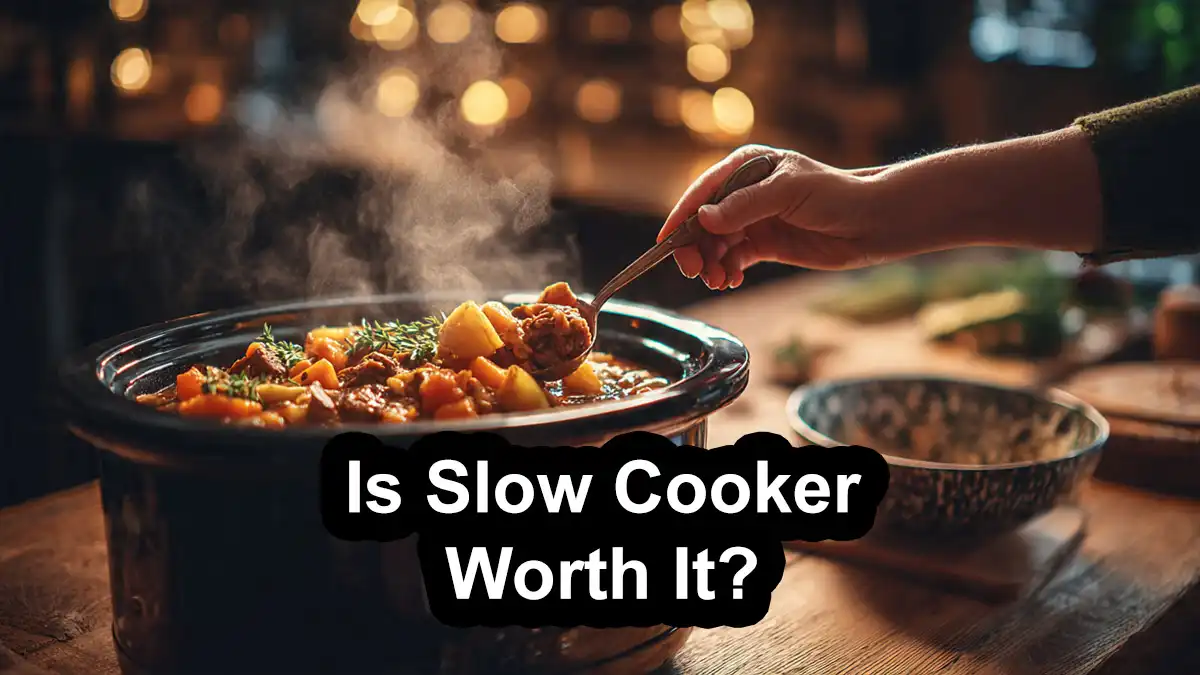
If you’re standing in the small appliance aisle wondering whether a slow cooker will actually change your life — or just collect dust in a cabinet — you’re asking the right question. The internet is full of slow cooker fanatics who claim it’s the best kitchen gadget ever, but the truth is more balanced. It’s a brilliant tool for the right person and a frustrating one for the wrong kitchen. Here’s an honest breakdown of what you really get, who should buy one, and when it’s best to skip it.
Quick Answer:
A slow cooker is absolutely worth it if you plan meals ahead, love deeply tender stews and curries, and want a set-it-and-forget-it appliance. If you rarely plan meals, cook last-minute, or crave crispy textures, it may not suit your style.
What You Get
A slow cooker isn’t complicated, but knowing what you’re buying helps set realistic expectations. Typically you’ll get:
- A heating base that wraps warmth around a removable stoneware or metal pot.
- Two or three settings — LOW, HIGH, and sometimes WARM.
- A tight-fitting glass lid that traps moisture and lets you peek inside.
- Capacities ranging from 3 to 8 quarts — enough to feed 2 to 10+ people.
Even the most basic manual model will do the job. Spend a little more and you’ll get digital timers, programmable delays, and automatic keep-warm functions. But fundamentally, all slow cookers deliver the same promise: low, steady heat over many hours, transforming raw ingredients into tender, one-pot meals.
For a complete breakdown of how the appliance actually works, see our pillar guide: What Is a Slow Cooker and How Does It Work?.
Pros: Why People Love Their Slow Cookers
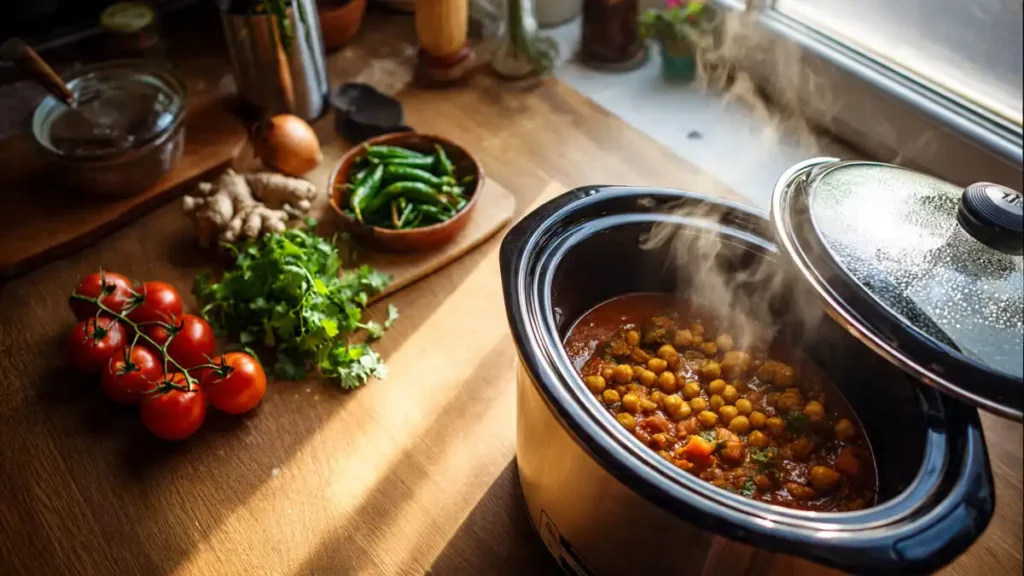
The fan club is loud for a reason. These are the real, everyday benefits.
1. Unmatched Convenience
This is the killer feature. You can dump ingredients into the pot in the morning, head to work, and walk into a finished dinner at 6 PM. There’s no stirring, no adjusting the flame, and no last-minute panic. Programmable models even switch to WARM automatically.
2. Deep, Layered Flavor
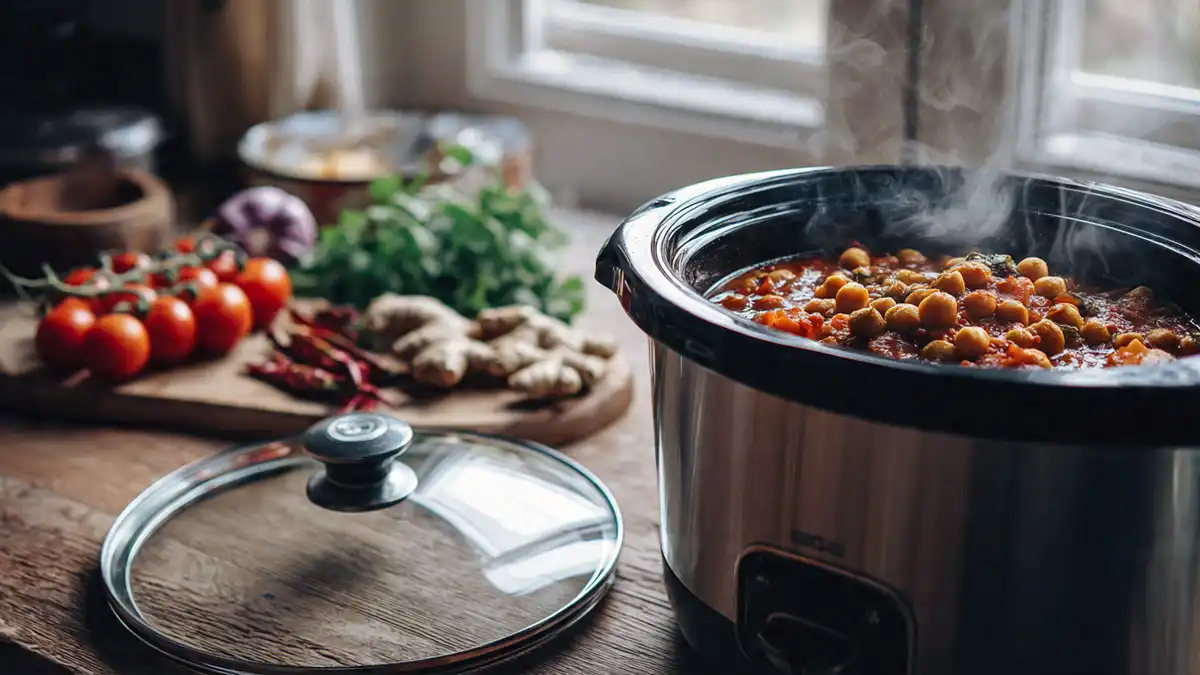
Long, gentle cooking allows spices, herbs, and aromatics to fully infuse into every bite. Unlike fast stovetop cooking, a slow cooker melds flavors together — think of it like a flavor marriage instead of a flavor handshake. Dals, bone broths, curries, and chillies all benefit from this unhurried approach.
3. Turns Cheap Cuts into Gold
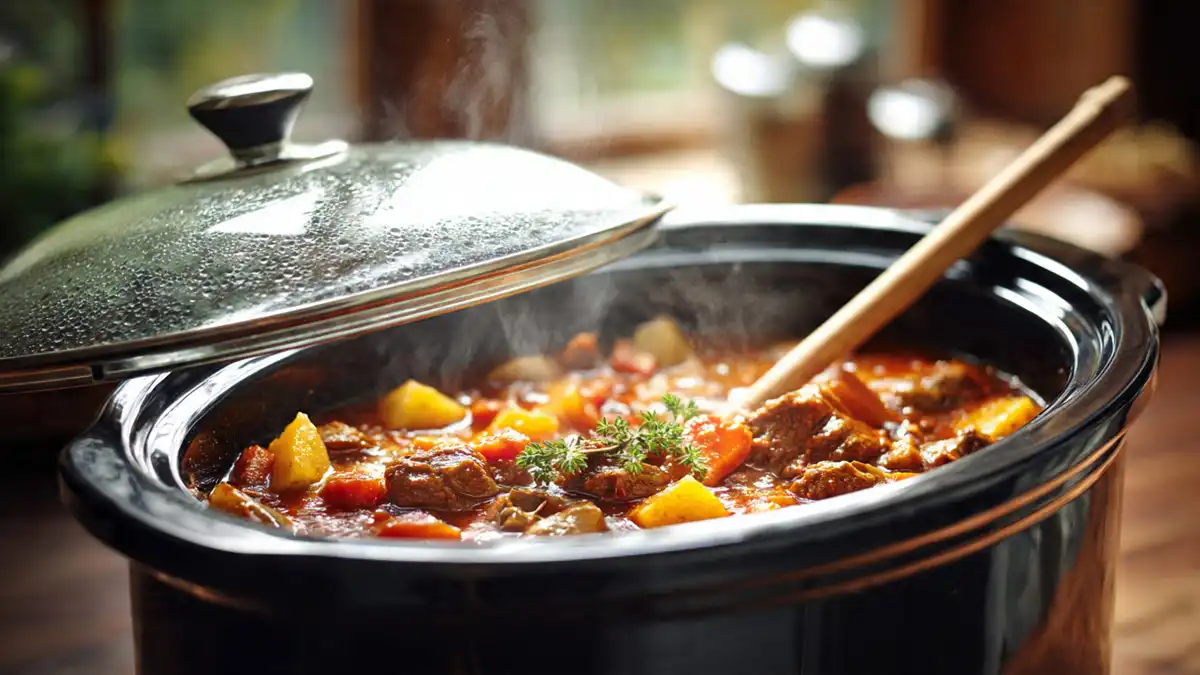
Tough, affordable cuts of meat like beef chuck, pork shoulder, and chicken thighs become fall-apart tender because their connective tissue has hours to break down. You don’t need expensive filet mignon to produce a luxurious meal.
4. Beginner-Friendly and Forgiving
Uneven chopping? Eyeballed spices? A little too much liquid? The slow cooker rarely punishes mistakes. It’s an ideal confidence-builder for new cooks.
5. Energy Efficient and Cool
A slow cooker uses roughly the same electricity as a light bulb, far less than running an oven for hours. It also won’t turn your kitchen into a sauna during summer.
6. Frees Up Stovetop and Oven Space
During holidays, dinner parties, or busy meal prep days, the slow cooker acts like an extra burner without occupying a stove eye.
Cons: The Honest Downsides
No appliance is perfect, and the slow cooker has clear limitations you’ll feel in daily use.
1. It Takes Forever (Yes, Even on HIGH)
Even on the HIGH setting, most meals need 3–5 hours. On LOW, it’s 6–10+. If you forget to start the cooker in the morning, dinner isn’t happening on time. Slow cookers are not for spontaneous cooking.
2. No Crispy or Charred Textures
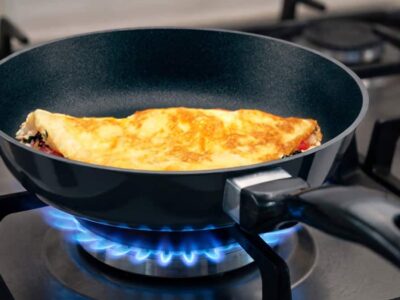
Craving a golden roast chicken skin, crispy bacon bits, or chargrilled vegetables? You won’t get it. A slow cooker steams food; it can’t brown or crisp. You can sear meats separately on the stovetop first, but that adds a pan to wash and an extra step.
3. Recipes Can Turn Out Watery
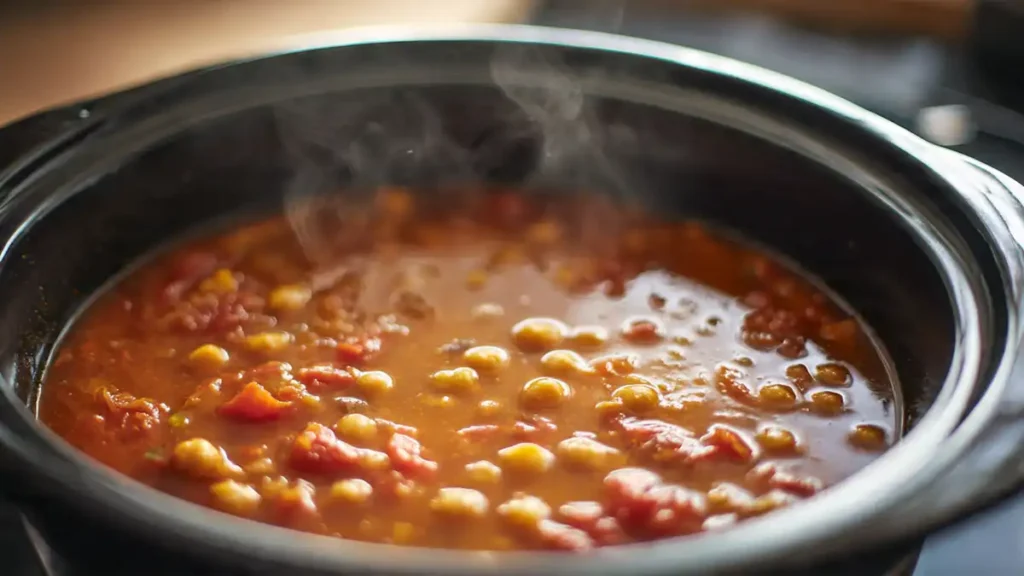
Because the lid traps all moisture, very little liquid evaporates. Vegetables and meats release water, and if you use the same amount of liquid as a stovetop recipe, you’ll end up with a thin, diluted sauce. The fix is easy — reduce liquid by 30-50% — but it’s a learning curve. For more detailed solutions, see Why Slow Cooker Food Turns Watery.
4. Flavors Can Become Muted
Delicate herbs like cilantro, basil, or dill lose their punch over 8 hours. Bright acidic notes from tomatoes and lemon juice can fade. You’ll often need to finish a dish with fresh herbs, a squeeze of citrus, or a splash of vinegar to wake it up.
5. Not Great for Every Ingredient
Pasta and rice can turn mushy. Dairy can curdle if added too early. Quick-cooking vegetables like peas, zucchini, or spinach should be stirred in at the very end, or they’ll disappear into mush.
6. Requires Morning Planning
The biggest real-life hurdle is remembering to prep ingredients in the morning. If your mornings are chaotic, the slow cooker may go unused despite your best intentions.
PROS
- ✓ Set-it-and-forget-it convenience
- ✓ Deep, melded flavors
- ✓ Tenderizes cheap meat cuts
- ✓ Forgiving for beginners
- ✓ Energy efficient, cool kitchen
- ✓ Frees up oven/stove space
CONS
- ✕ Very slow (3–10 hours)
- ✕ No browning or crispy textures
- ✕ Can make food watery if over-liquid
- ✕ Delicate flavors fade over time
- ✕ Not ideal for pasta, rice, dairy
- ✕ Requires morning prep and planning
Who Should Buy a Slow Cooker?
A slow cooker fits seamlessly into some lifestyles and clashes with others. You’ll get the most out of it if:
- You plan meals ahead. If you’re a weekend meal prepper or someone who thinks about dinner before 5 PM, a slow cooker will be your workhorse.
- You love hearty, comforting foods. Stews, curries, soups, and braised meats are the appliance’s superpower. If your family craves these regularly, it’s a no-brainer.
- You’re often out of the house all day. It turns 9-to-5ers into home chefs who “cook” while at work.
- You’re cooking on a budget. Transform lentils, beans, and tough meats into delicious meals for pennies per serving.
- You’re a beginner or buying a gift for one. There’s no easier way to start cooking real food.
Skip it if: You regularly cook last-minute, crave crisp textures, have unpredictable schedules, or simply dislike the concept of leaving an appliance on while not at home.
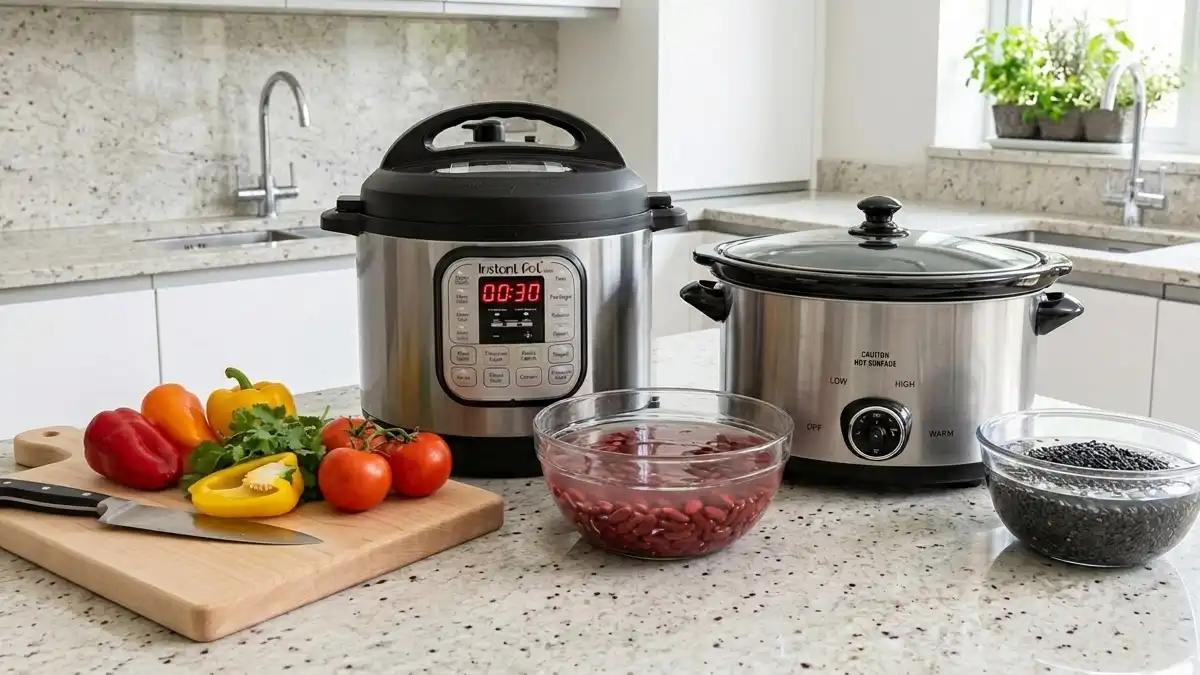
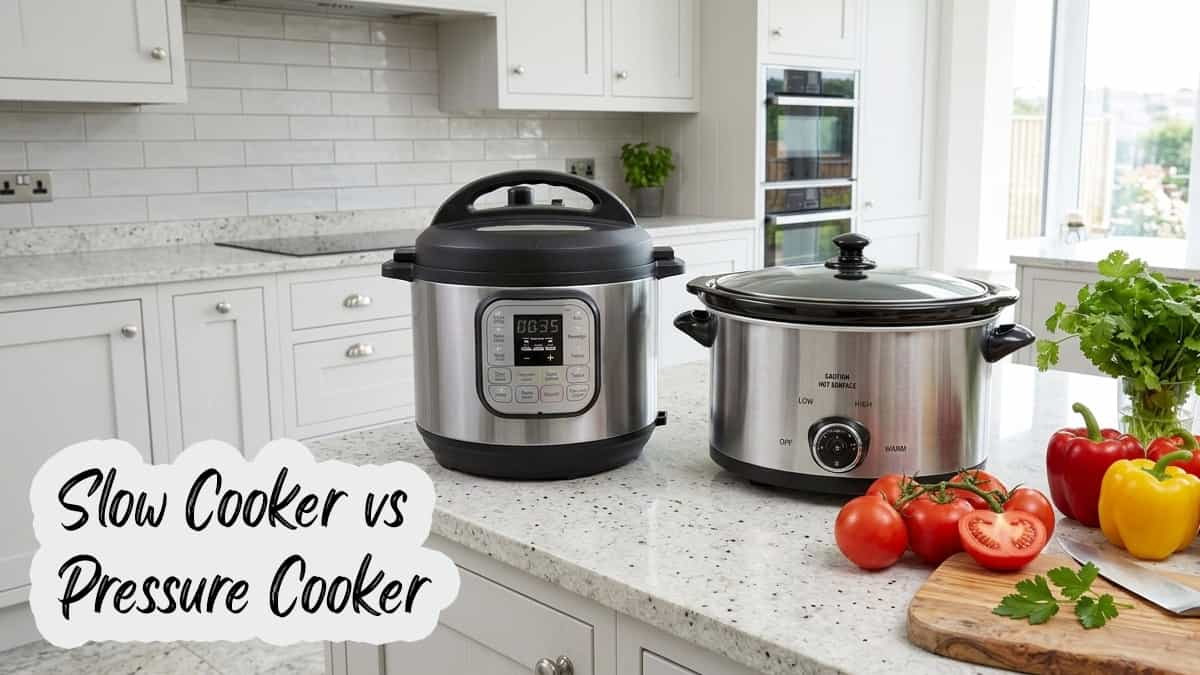
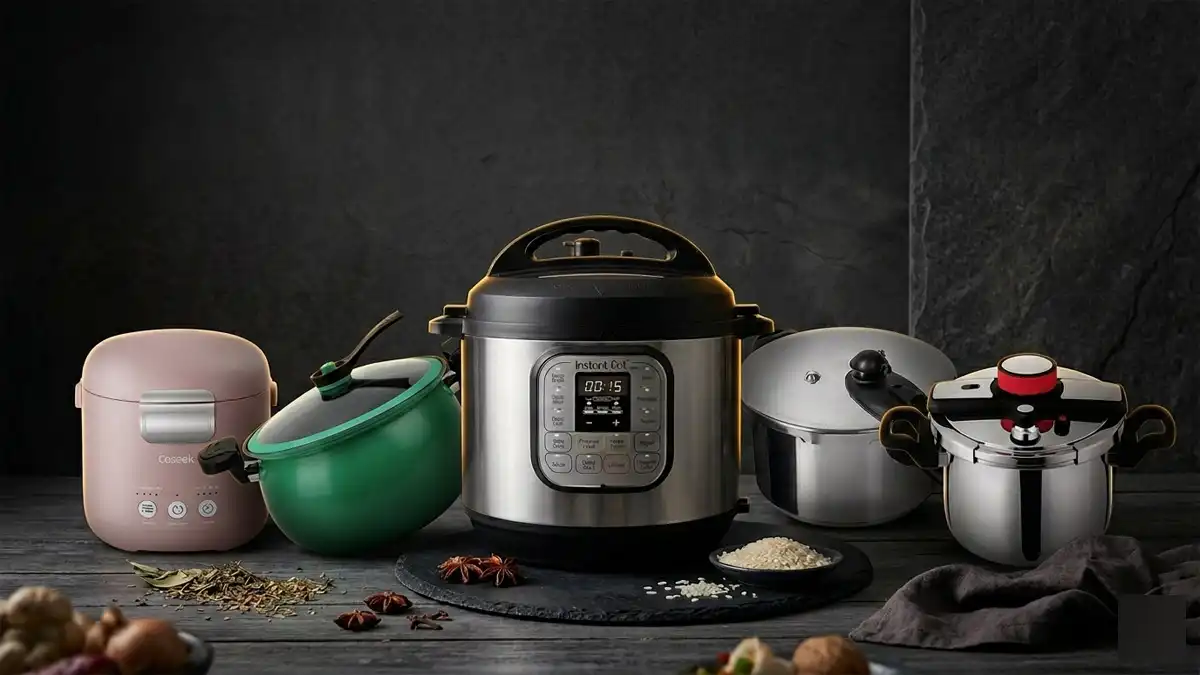
If you’re comparing the slow cooker against a pressure cooker, which can cook similar foods in minutes, our comparison guide is worth reading: Slow Cooker vs Pressure Cooker.
Final Verdict
Is a slow cooker worth it? For the right person, absolutely — and it can pay for itself in a few weeks just by making affordable ingredients shine and reducing takeout temptation.
Your Situation
- You plan meals and love stews/curries
- You’re busy but want home-cooked food
- You cook last-minute most days
- You crave crispy, golden textures
- You want a versatile starter appliance
Verdict
- 100% worth it
- Yes, it solves genuine problems
- Probably not — consider a pressure cooker
- Not as a primary appliance
- Yes, especially for beginners
If you’re still unsure, take a moment to revisit the fundamentals: what exactly does the appliance do, and how does it work its magic? Our complete guide What Is a Slow Cooker and How Does It Work? will help you make a confident decision.
FAQs
Is a slow cooker worth it for a single person?
Yes. A 3- or 4-quart model is perfect for singles — you can batch cook and freeze individual portions, saving time and money during the week.
Do chefs use slow cookers?
Many professional and home chefs appreciate them for specific tasks like stocks, braised meats, and large-batch entertaining, but they view it as one tool among many, not a replacement for techniques that develop flavor through browning and reduction.
Will a slow cooker save me money?
Generally, yes. It uses less energy than an oven and turns inexpensive ingredients (dried beans, tough meats, root vegetables) into satisfying meals, reducing the need for pricey cuts or takeout.
Can I leave a slow cooker on while I sleep?
Yes, it’s designed for safe unattended use. Place it on a hard, heat-resistant surface away from cabinets and walls, and ensure the cord isn’t touching anything hot.
How long do slow cookers typically last?
With basic care, a slow cooker can easily last 5–10 years. The simple heating element and robust stoneware pot are durable.
Have you found a slow cooker to be worth the counter space? Tell us what you cook most often in the comments below!
🔗 Explore more kitchen guides:
- What Is a Slow Cooker and How Does It Work?
- Slow Cooker vs Pressure Cooker
- Why Slow Cooker Food Turns Watery